

By Anchor Dental Implant Center | February 17, 2026
When you lose a tooth, it can be a scary feeling, especially when it’s just one tooth. Many of you aren’t aware of the fact that a single missing tooth can actually lead to damage to your oral health. From root decay and injury to other problems, a missing tooth can lead to a myriad of dental issues. The aesthetic impact of a lost tooth is obvious, but its effect on your oral health is less noticeable.
When you are missing a tooth, your other teeth can shift out of alignment, which can lead to complications with chewing, speaking, and overall alignment. Furthermore, the longer you go without replacing a tooth, the more you risk the deterioration of the bone structure within your jaw. To keep your oral health intact, consider replacing your teeth with one of the available options.
The Impact of a Missing Tooth on Oral Health
A missing tooth may initially seem like a minor concern, but it can take its toll over time. At first, the empty space in your smile may seem like a minor cosmetic concern. However, over time, the empty space left by the missing tooth can affect your teeth’s alignment. When you lose a tooth, your other teeth will likely shift to fill the empty space, which may cause them to wear unevenly and lead to other dental problems.
Without the tooth root in place, the bone beneath it begins to shrink. Over time, this deterioration of the jawbone can compromise the structure of your face, leading to a sunken appearance. Bone loss can also affect the position of adjacent teeth, leading to misalignment or even tooth loss in the future. This process, known as bone resorption, can significantly alter the way your mouth functions, making it more difficult to chew and speak properly.
Why Choose Single Tooth Implants?
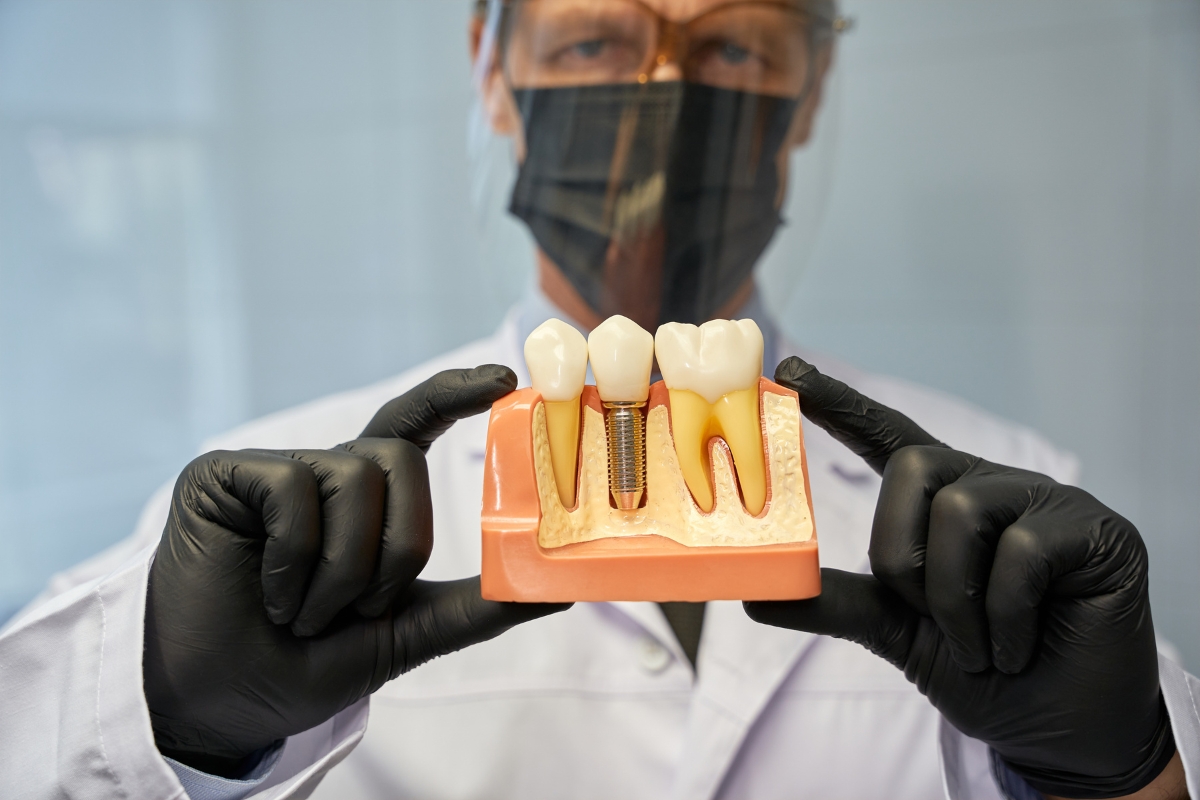
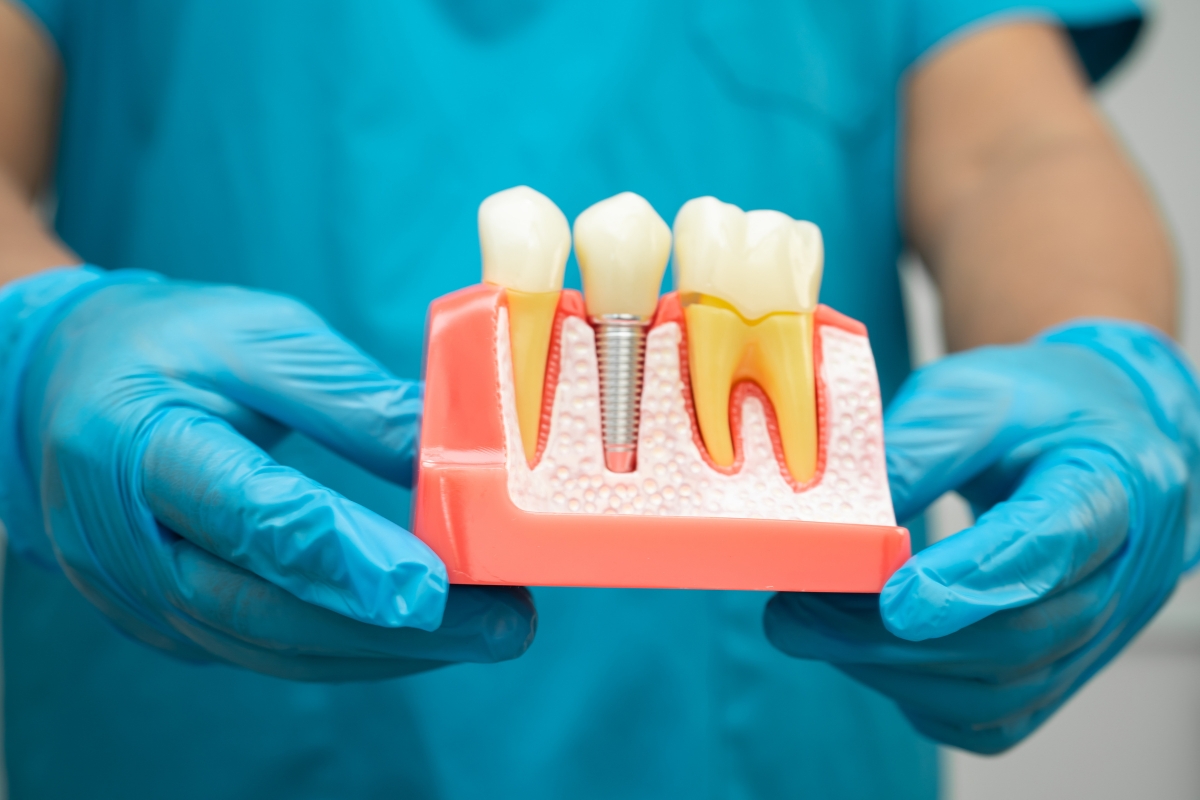
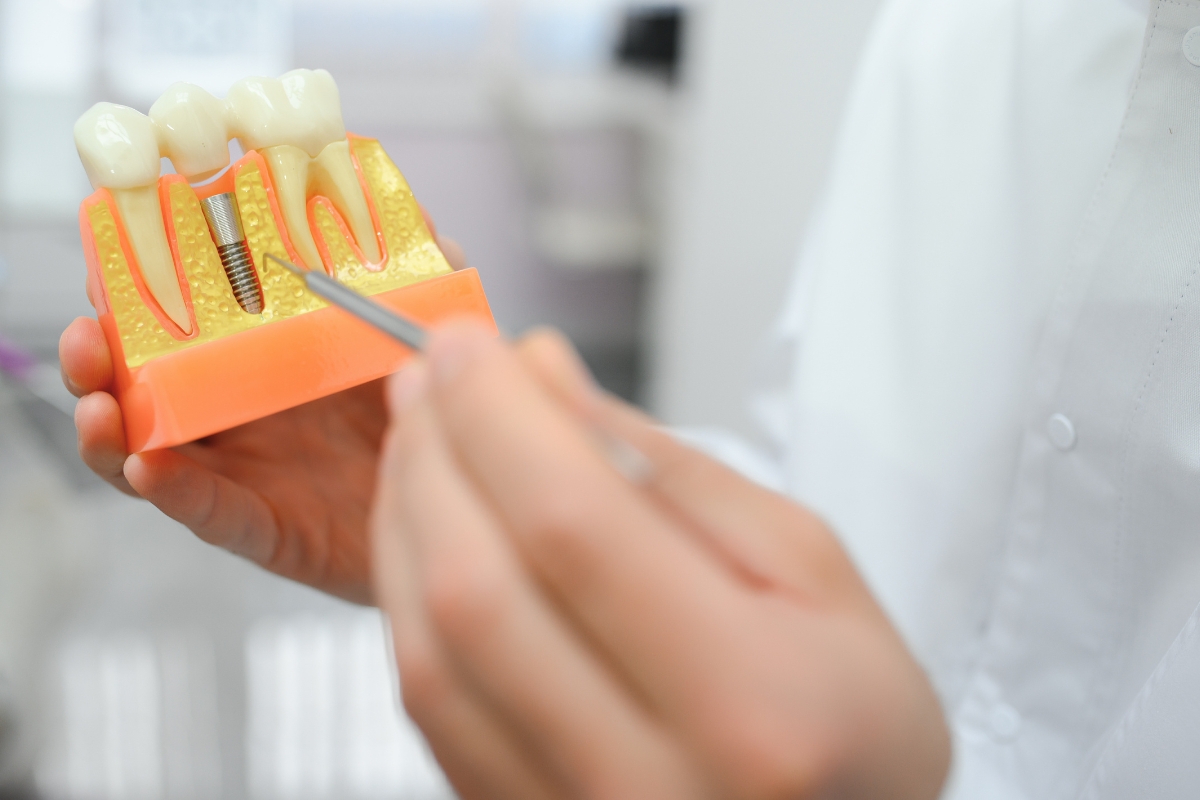
Dental implants are considered one of the most effective options for replacing a missing tooth. This is because, unlike traditional dentures, which require you to have your adjacent teeth to function properly, dental implants, particularly single tooth implants in Austin, TX, replace both the root and the crown of your tooth. Dental implants are made up of titanium, which is surgically placed in your jawbone to ensure you have the most natural look and feel as well as the most enduring results.
The major advantage of getting a dental implant is that it helps you maintain the integrity of your bone structure. This is because when the implant is placed, it stimulates the bone in the same way a normal tooth root does. In that way, you will prevent the loss of bone structure, and you can enjoy a perfect, healthy smile.
Dental implants, compared to bridges and dentures, offer a more long-lasting comfort. Dental implants can last a lifetime, making them a worthwhile investment. Moreover, implants do not need to be made to the nearby teeth, unlike other forms of restoration.
Benefits of Replacing a Missing Tooth with an Implant
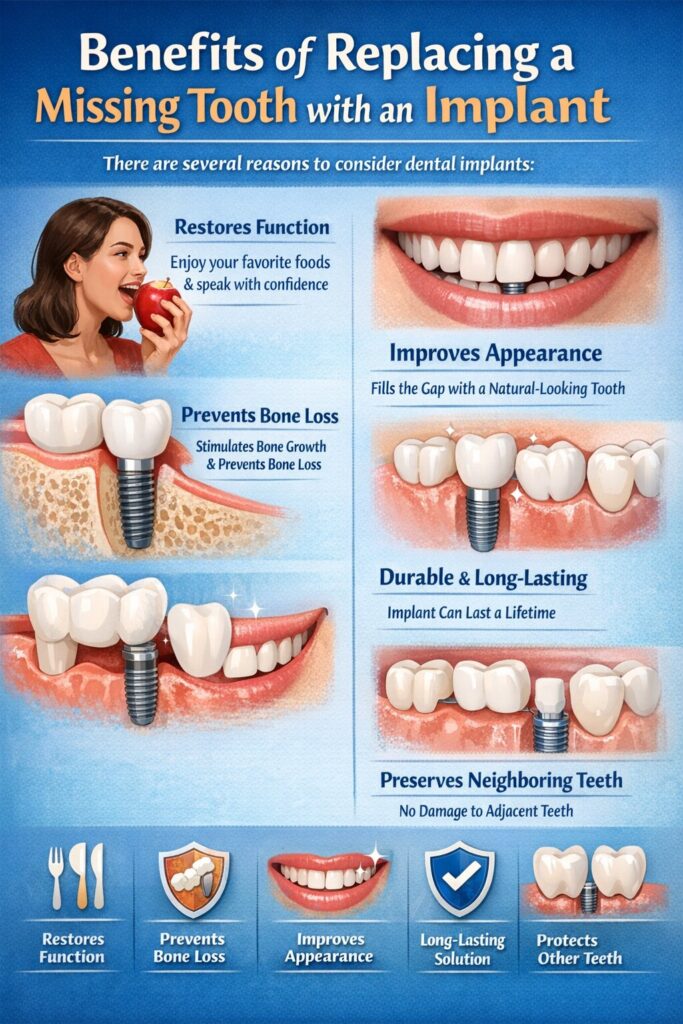
There are several reasons a person should consider replacing a missing tooth with a dental implant, including improved function, prevention of bone loss, and oral health.
- Restores Function: Dental implants restore function to an appropriate level, allowing you to enjoy your favorite foods and communicate confidently.
- Prevents Bone Loss: The implant helps preserve your bone by encouraging growth, preventing bone loss that can result from tooth extraction.
- Improves Appearance: A single-tooth implant will replace a gap in your smile, giving your smile a more natural, aesthetically pleasing look.
- Durable and Long-Lasting: A dental implant can last a lifetime, providing a permanent solution.
- Preserves Neighboring Teeth: Unlike bridges, dental implants do not require preparation of nearby teeth for support.
The Role of an Implant Dentist in Your Treatment
A single-tooth implant is considered a complex procedure and therefore requires meticulous planning and precision. Although most general dentists may be able to perform dental implants, an implant dentist has specialized in the procedure. This means they have acquired specialized knowledge and the required equipment for dental implants.
The process usually involves several steps, including consultation, imaging, surgical placement of the dental implant, and restoration with a personalized crown. At every step, your implant dentist will ensure that your implant is compatible with your bone structure and comfortable to insert into your mouth. Throughout your journey with an implant dentist, you can have a peaceful mind knowing your treatment is being performed by a professional proficient in the art and science of dental implants.
Source: Austin Oral Surgery
Risks of Delaying Tooth Replacement
When replacing a missing tooth, time is of the essence. This means that the longer you wait, the higher the probability of potential problems occurring. Recall, for instance, that, because multiple teeth are often missing, other teeth can shift; furthermore, as has been discussed, teeth can also result in bone loss, thereby making it more complicated to place teeth in these areas of the mouth in the future, perhaps even involving other surgeries such as bone grafting.
Further delay in replacing the teeth will lead to additional dental complications, including increased wear and tear on the other teeth and temporomandibular joint problems arising from jaw misalignment. It is important to see an implant dentist as soon as possible to avoid complications.
Taking the First Step to a Healthier Smile
If you have lost a tooth, one of the best decisions you can make for your future is to have it replaced with an implant. Replacing your tooth with an implant not only allows you to have your smile restored, but it also prevents further oral health problems from occurring by maintaining your jawbone. If you are in need of high-quality dental implants, look no further than Anchor Dental Implant Center.
Don’t wait until a missing tooth starts to impact your general health. Make an appointment with us today to discuss how our single-tooth implants can improve your lifestyle and overall health.
Questions People Ask About Single Tooth Implants
What happens if I don’t replace a missing tooth?
Failing to replace a missing tooth can lead to misalignment of your remaining teeth, bone loss, and a weakened bite. Over time, these issues may lead to additional tooth loss and oral health complications.
How long does it take to heal after a dental implant procedure?
The healing process typically takes several months as the implant fuses with the jawbone. Full integration can take 3 to 6 months, but the crown can be placed sooner, depending on individual circumstances.
Are dental implants painful?
The procedure is generally well-tolerated, and local anesthesia is used to ensure comfort during surgery. Post-operative discomfort is usually mild and can be managed with over-the-counter pain medications.
How long do dental implants last?
With proper care and maintenance, dental implants can last a lifetime. Regular check-ups and good oral hygiene are key to ensuring the longevity of your implant.
Can I eat normally after getting a dental implant?
After the implant has fully healed and the crown is in place, you can eat normally. It’s important to follow the post-surgery care instructions and avoid hard or chewy foods initially.
Who is a good candidate for dental implants?
Most healthy adults who have lost a tooth are good candidates for dental implants. However, a consultation with an implant dentist is necessary to determine if you have sufficient bone density to support the implant.