

By Anchor Dental Implant Center | September 28, 2026
If your teeth have started moving on their own, pay attention. Your shifting teeth may mean bone loss is already here in Austin — and that is a warning sign you should not ignore. Many patients are surprised to learn that tooth movement is not just a cosmetic issue. It often points to something much more serious happening beneath the surface.
Dr. Hooman Samani and the team at Anchor Dental Implant Center see this pattern regularly. Patients come in thinking they need a small fix. They leave understanding the real issue is ongoing bone deterioration. The good news is that catching it now gives you options.
Why Shifting Teeth Signal More Than Alignment Issues
Teeth do not move randomly. They stay in position because the jawbone holds them firmly in place. When that bone starts to break down, teeth lose their anchor and begin to drift. This is one of the earliest visible signs of bone loss in the jaw.
Bone loss typically starts after a tooth is lost or extracted. Without a tooth root stimulating the bone, that area begins to shrink. The surrounding teeth then shift toward the gap. Over time, even teeth far from the missing tooth can move.
This movement affects your bite. It changes how your teeth fit together when you chew. It can also create new gaps between teeth, making the problem worse over time. What started as one missing tooth can trigger a chain reaction across your entire mouth.
- Teeth visibly leaning or tilting
- New spaces forming between teeth
- Changes in how your bite feels
- Food getting caught in new gaps
- Loosening of previously stable teeth
Warning Signs You May Have Already Waited Too Long in Austin
Bone loss does not announce itself with obvious pain in the early stages. That is what makes it so dangerous. By the time patients in Austin notice the physical changes, a significant amount of bone may already be gone. Knowing what to look for can help you act faster.
Difficulty chewing is one of the most common signs. If certain foods have become harder to eat, your bite has likely changed. Shifting teeth alter how your upper and lower jaw meet. This puts uneven pressure on remaining teeth and strains your jaw joints.
Another warning sign is facial sagging or a sunken appearance around the mouth. The jawbone provides structural support for your lower face. As it shrinks, the overlying skin and tissue can begin to collapse inward. Many patients mistake this aging appearance for a normal part of getting older.
- Loose or wobbly teeth without injury
- Visible gaps that were not there before
- Difficulty chewing hard or chewy foods
- Gum recession exposing tooth roots
- A sunken or aged appearance around the jaw
- Chronic jaw pain or clicking
If you recognize any of these signs, schedule an evaluation as soon as possible. The longer bone loss continues, the more limited your treatment options become. Early intervention gives you the best chance of a full and lasting solution.
How Dental Implants Address Bone Loss Directly
Most tooth replacement options sit on top of the gum. They restore the visible tooth but do nothing for the bone underneath. Dental implants are different because they replace the tooth root itself. That is the key to stopping and even reversing bone loss.
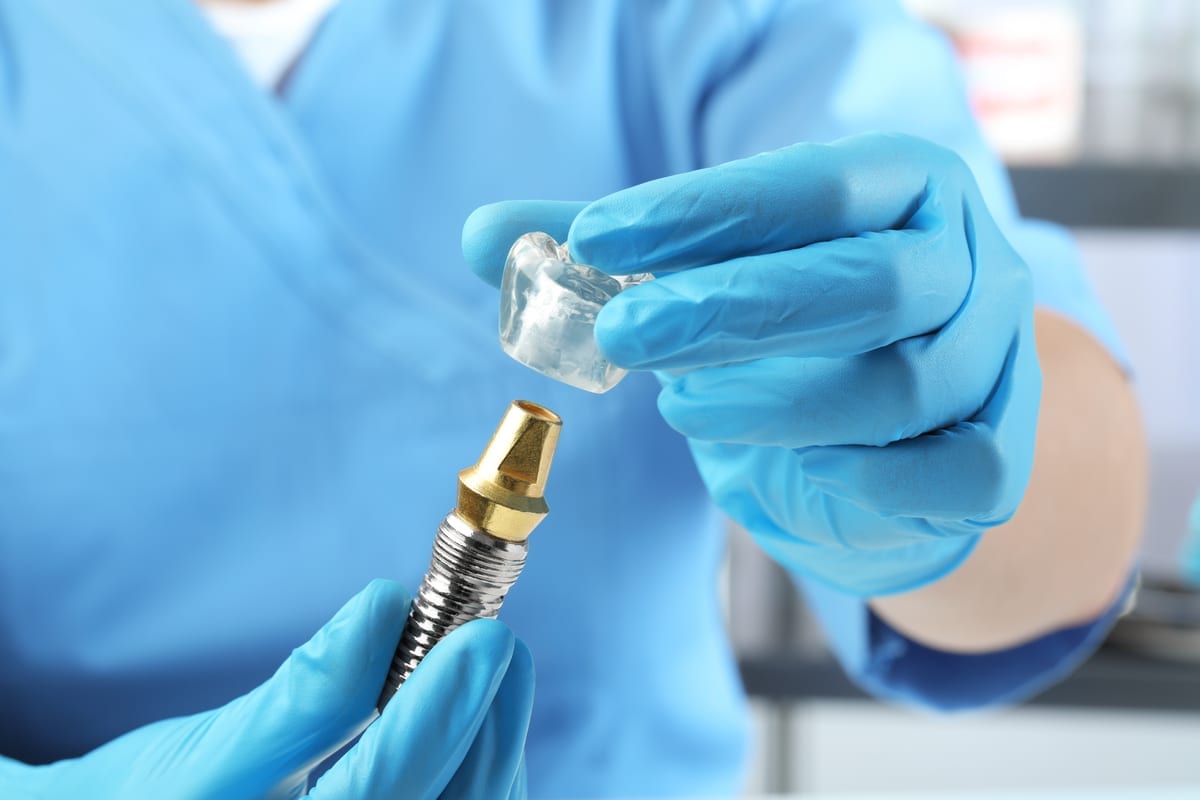
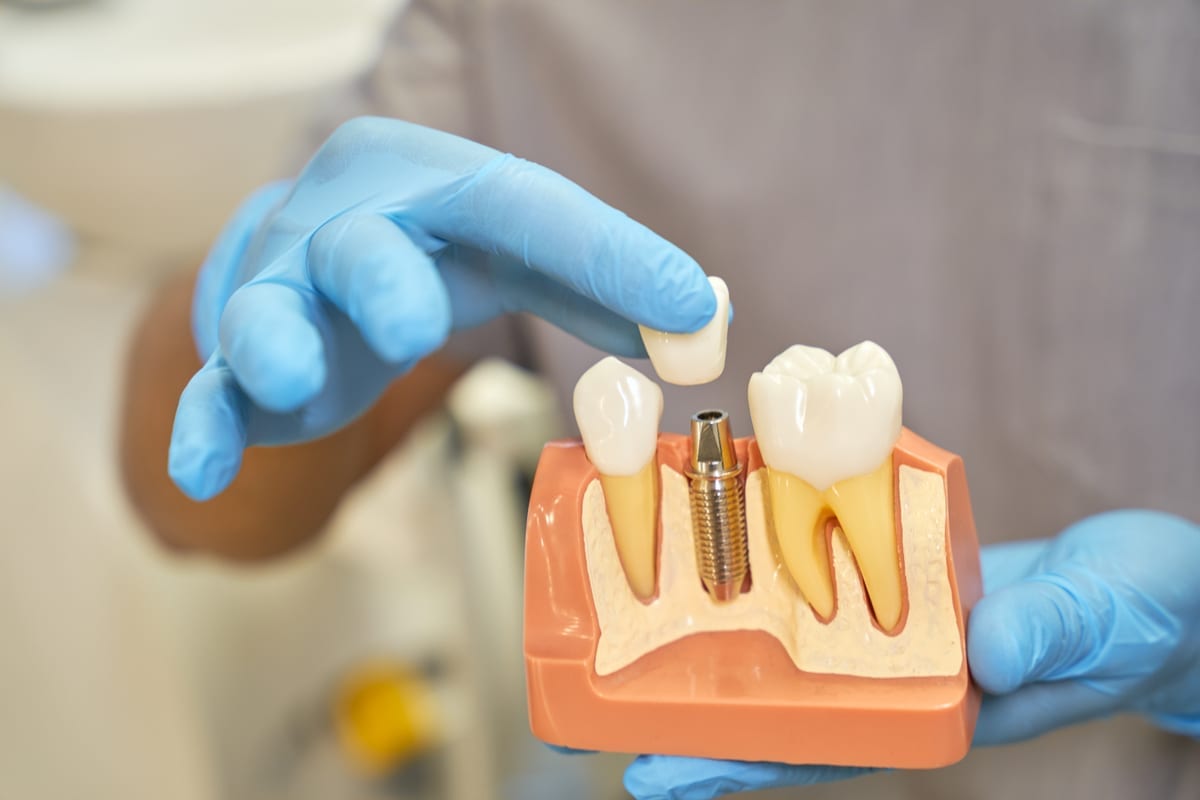
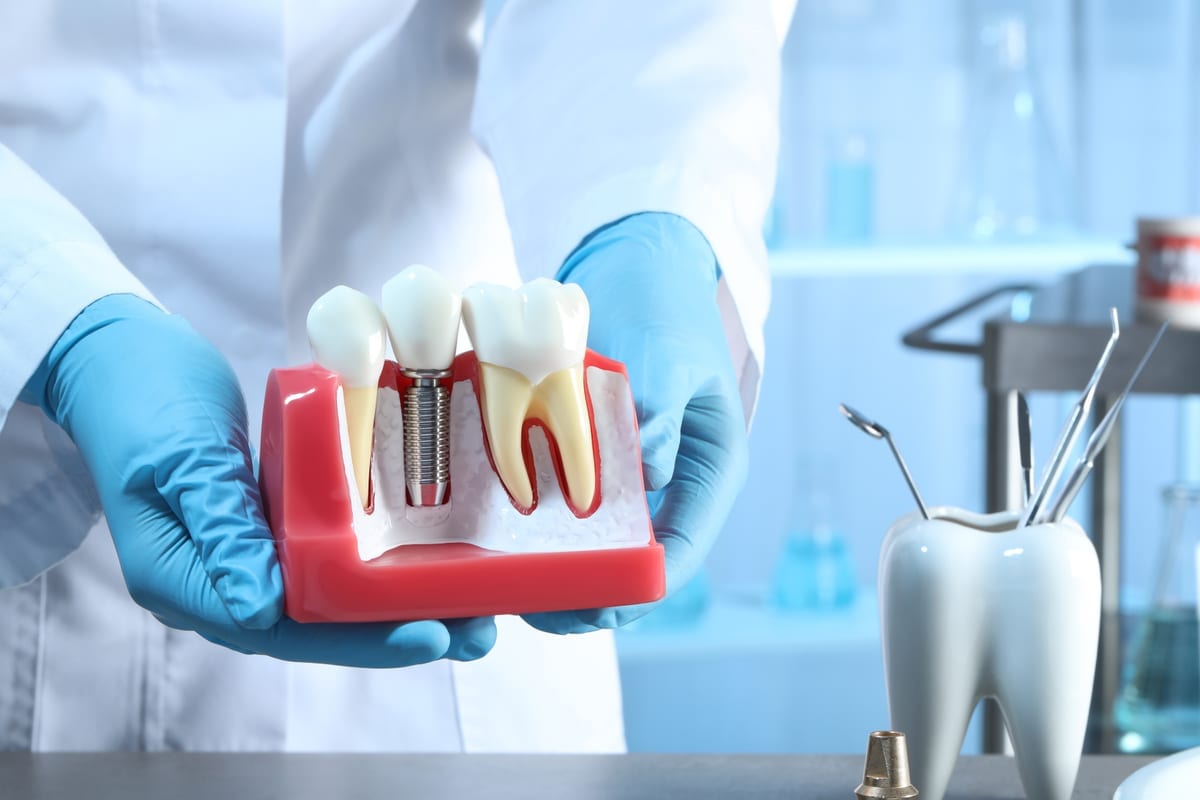
An implant is a small titanium post placed directly into the jawbone. Over time, the bone fuses to this post in a process called osseointegration. This fusion stimulates the bone the same way a natural tooth root does. It signals the body to maintain bone density in that area.
For patients in Austin who want to understand real outcomes, our Smile Gallery Austin shows actual before-and-after results from patients who received implants after experiencing bone loss. Seeing real cases can help you understand what is possible for your own situation.
Dr. Samani uses advanced imaging technology to assess the current state of your jawbone before recommending a treatment plan. This ensures the approach is tailored to your specific level of bone loss. Not every case is the same, and your treatment should reflect that.
What to Expect When You Come In for an Evaluation
Many Austin patients feel nervous about taking that first step. Understanding the process can make it feel much less intimidating. The evaluation visit is focused on listening and learning — not pressure or rushed decisions.
During your visit, Dr. Samani will take detailed X-rays and possibly a 3D cone beam scan. These images show the current density and volume of your jawbone. They help identify exactly where bone loss has occurred and how much remains to work with.
You will have a conversation about your symptoms, your history, and your goals. This is your chance to ask everything you want to know. Our team encourages questions and takes the time to answer them clearly. You can also explore our Faqs Austin page for answers to the most common questions patients ask before their first visit.
After the evaluation, you will receive a clear, personalized treatment plan. It will outline your options, the expected timeline, and what each stage of treatment involves. You leave informed — never confused or pressured.
Why Acting Now Matters More Than Waiting
Bone loss is progressive. It does not slow down or stop on its own. Every month without intervention, the situation becomes more complex. In some cases, patients wait too long and require bone grafting before implants can even be placed.
Bone grafting is a safe and effective procedure, but it adds time and complexity to the overall process. Patients who act earlier often avoid this step entirely. Acting now means a simpler path to a complete, permanent solution.
There is also a quality-of-life argument. Difficulty chewing affects nutrition. Shifting teeth affect confidence. A sunken facial appearance affects how you feel about yourself every single day. These are not small things. They are part of how you live, eat, speak, and connect with others.
Dr. Samani and the Anchor Dental Implant Center team are here to help Austin patients take back control of their oral health. You do not have to live with the consequences of bone loss. Effective, lasting treatment is available right here in Austin.
Conclusion: Do Not Wait for the Problem to Grow
Your shifting teeth are not just a cosmetic concern — they are a signal. They are telling you that something is happening beneath the surface that needs attention now. The earlier you respond to that signal, the better your outcomes will be. Dental implants from Dr. Hooman Samani offer a solution that addresses both the visible and invisible effects of bone loss. If you have noticed any of the warning signs discussed here, do not put this off any longer. Book Now to schedule your appointment with our team.
Frequently Asked Questions
Can bone loss in the jaw be reversed with dental implants?
Dental implants can stop further bone loss and stimulate the existing bone to maintain density. In some cases, bone volume can even improve over time after implant placement. However, severely lost bone may require a grafting procedure before implants can be placed. The earlier you act, the more options you have.
How do I know if my shifting teeth are caused by bone loss?
The only way to know for certain is through a professional evaluation with dental X-rays or a 3D scan. Visible tooth movement, new gaps, difficulty chewing, and loose teeth are all signs worth investigating. Dr. Samani can assess the condition of your jawbone and give you a clear picture during your evaluation.
Does the implant procedure hurt?
Most patients report that the procedure is far more comfortable than they expected. Local anesthesia is used throughout the placement process. Post-procedure soreness is typically manageable with over-the-counter relief and resolves within a few days. Dr. Samani and his team prioritize patient comfort at every stage.
How long do dental implants last?
With proper care, dental implants can last decades — often a lifetime. They are designed to be a permanent solution, not a temporary fix. Regular brushing, flossing, and routine dental visits help ensure long-term success. Implants are considered the gold standard for tooth replacement for this reason.
What if I have already lost significant bone — am I still a candidate for implants?
Many patients with significant bone loss are still candidates for implants after bone grafting. A thorough evaluation will determine the best path forward for your specific situation. Dr. Samani has experience treating patients at various stages of bone loss in Austin. The best first step is simply to come in and find out where you stand.