

By Anchor Dental Implant Center | September 21, 2026
Your jawbone is shrinking — and most people have no idea it is happening. In Austin, TX, many patients delay replacing missing teeth for months or even years. What feels like a small decision becomes a much bigger problem over time. Understanding the warning signs can help you act before options become limited.
When a tooth is lost, the bone beneath it no longer receives stimulation. Without that stimulation, the bone slowly dissolves away. This process is called bone resorption, and it begins within just a few weeks of tooth loss. The longer you wait, the more bone disappears — and the harder implant treatment becomes.
Why Waiting on Implants Gets Harder in Austin
Dental implants require a healthy foundation of bone to anchor into. When bone volume is low, implant placement becomes more complex. Some patients need bone grafting before implants can even be considered. That adds both time and steps to the overall treatment process.
Austin patients often tell Dr. Hooman Samani they thought they could wait until they were ready. But readiness is not just about mindset — it is about bone health. Every month without a tooth is another month of silent bone loss. The window for simpler treatment gradually closes.
Here are some key facts about bone loss after tooth loss:
- Up to 25% of bone width can be lost in the first year after extraction
- Bone loss continues steadily if no implant is placed
- Significant loss can occur in as little as six to twelve months
- Advanced bone loss may require complex grafting procedures
- The jawbone can change facial structure over time
Warning Signs You May Have Already Waited Too Long
Many patients do not realize bone loss is occurring until symptoms appear. The signs can be subtle at first. Over time, they become harder to ignore. Knowing what to look for empowers you to seek help sooner.
One of the most common signs is shifting teeth. When a tooth is missing, neighboring teeth gradually drift into the empty space. This changes your bite and can cause jaw pain. It also makes future implant placement more complicated.
Other warning signs to watch for include:
- Difficulty chewing foods you used to enjoy easily
- A sunken or collapsed appearance around the jaw or cheeks
- Gum tissue that looks like it is receding near the gap
- A noticeable change in how your dentures or partial fit
- Chronic jaw soreness or uneven bite pressure
- Visible gaps widening between existing teeth
If you recognize any of these signs, your jawbone may already be compromised. That does not mean implants are impossible. It does mean the sooner you act, the better your outcome is likely to be.
What Happens to Your Face Without an Implant
Most people focus on the gap in their smile. However, the deeper issue is what happens beneath the surface. Bone loss changes the shape of your face over time. The jaw can look sunken, and the lower face can appear to collapse inward.
This is not simply a cosmetic concern. Changes in jaw structure affect how you chew, speak, and hold your head. Patients with significant bone loss often experience chronic neck and jaw muscle tension. The body compensates for structural changes in ways that cause discomfort.
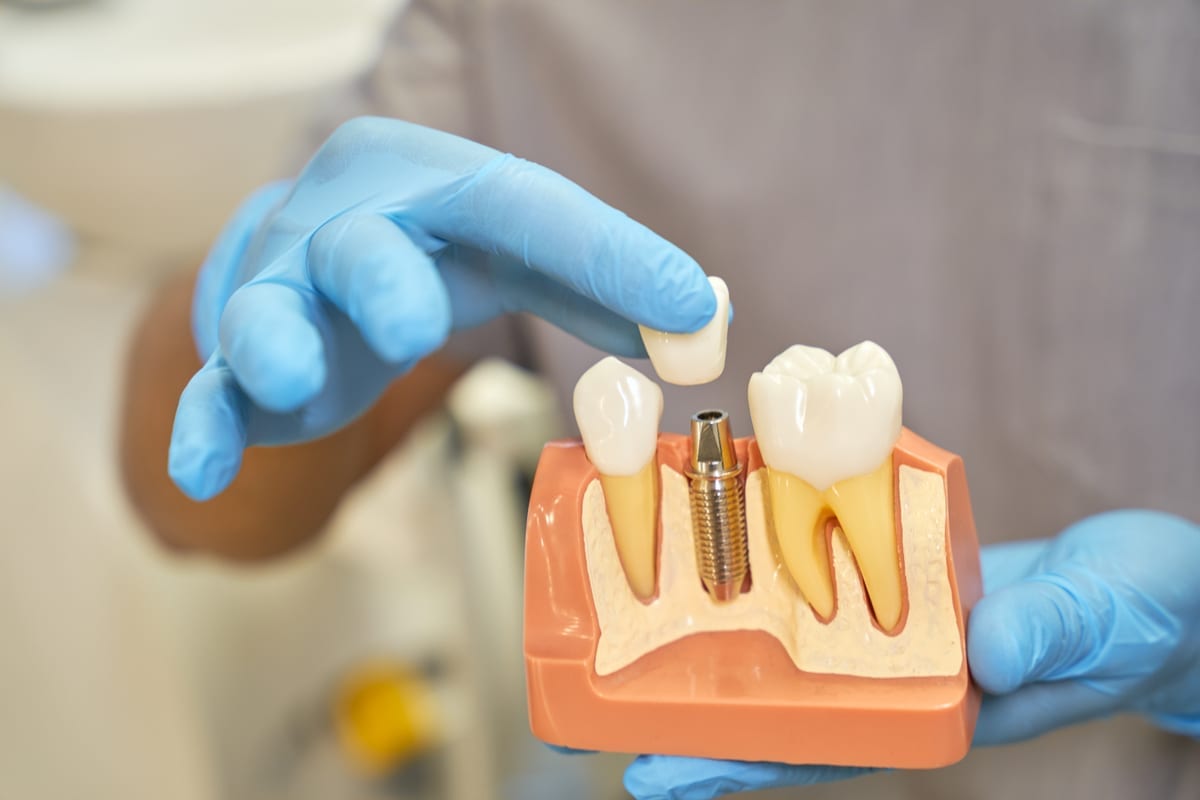
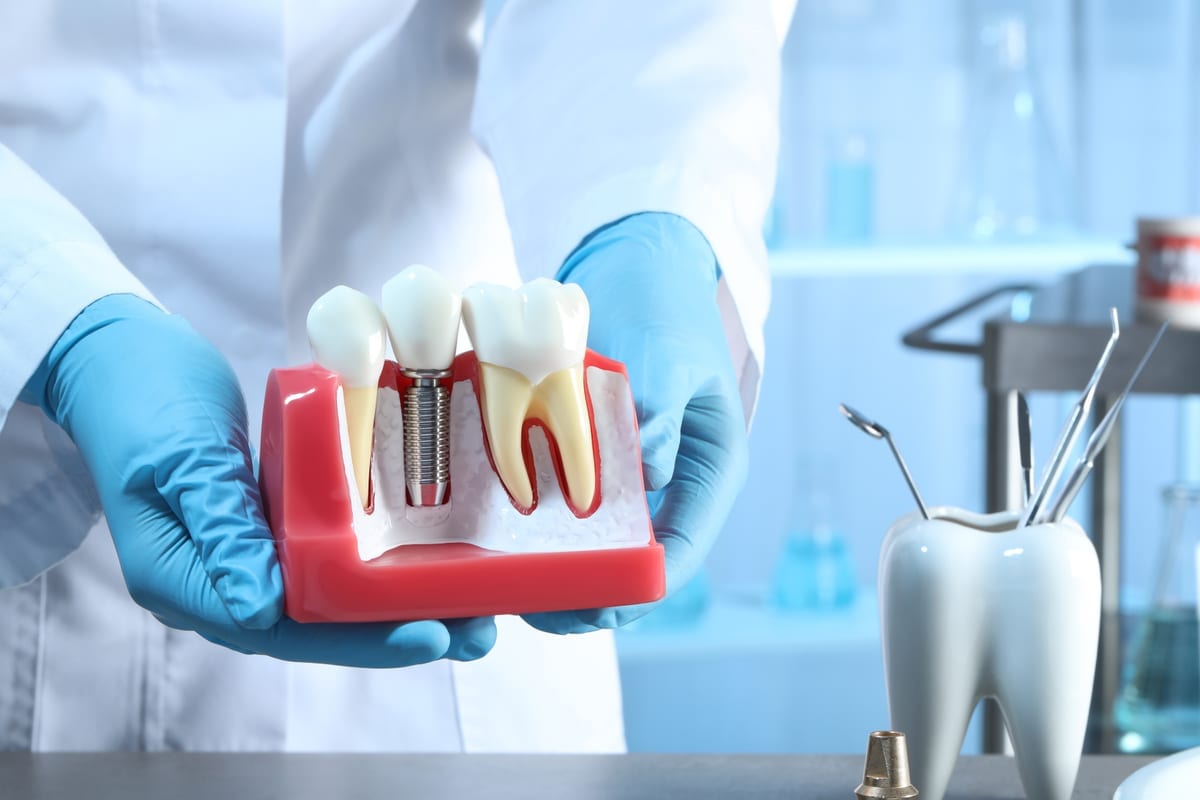
Dental implants are the only tooth replacement option that preserves jawbone. They mimic a natural tooth root, stimulating the bone just like your original tooth did. Bridges and dentures replace what is visible — but they do nothing for what is underneath. This distinction matters enormously for long-term oral health.
What Dr. Samani Looks for During an Implant Evaluation in Austin
At Anchor Dental Implant Center, Dr. Hooman Samani takes a thorough approach to implant planning. He uses advanced imaging to assess bone density and volume precisely. This helps determine whether you are a straightforward candidate or need preparatory treatment first.
Dr. Samani also reviews your dental and medical history carefully. Certain health conditions and habits affect healing and implant success. Understanding your full picture allows for a personalized treatment plan. No two patients receive the same approach.
Patients who are curious about real outcomes can explore the Smile Gallery Austin to see actual results from patients just like them. Seeing real cases helps set realistic expectations. It also shows what is possible when patients take action at the right time.
If you still have questions before scheduling, the Faqs Austin page covers many common concerns about the implant process. Being informed helps you feel confident walking into your first appointment. Knowledge is a powerful first step toward treatment.
Steps to Take If You Suspect Bone Loss
The most important step is to schedule an evaluation as soon as possible. An evaluation gives you real information about your current bone health. It removes the uncertainty and replaces it with a clear plan. You cannot make good decisions without accurate data.
Here is what you can expect during your first visit:
- A detailed review of your dental and medical history
- Digital X-rays or a cone beam CT scan to measure bone volume
- An oral examination to assess gum health and neighboring teeth
- A clear explanation of your options based on your findings
- A customized treatment timeline tailored to your needs
Dr. Samani walks every patient through findings in plain language. There are no confusing terms or rushed explanations. You will understand exactly what is happening with your bone health. That clarity helps you move forward with confidence.
Conclusion: Do Not Let the Window Close
Bone loss is silent, steady, and entirely preventable with the right intervention. Austin patients who act early face fewer complications and shorter treatment timelines. Those who wait often need additional procedures that could have been avoided. The difference between acting now and waiting six more months can be significant.
Your jawbone is shrinking every day a tooth remains unreplaced. The good news is that implants can stop that process and restore what has been lost. Dr. Hooman Samani and the team at Anchor Dental Implant Center are here to guide you through every step. Book Now to schedule your appointment with our team.
Frequently Asked Questions
How quickly does bone loss start after losing a tooth?
Bone loss begins within weeks of a tooth being lost or extracted. The first year typically brings the most significant reduction in bone width and height. Acting within the first few months gives you the best chance of a straightforward implant placement without grafting.
Can I still get implants if I have already lost bone?
Yes, in many cases bone grafting can rebuild enough volume to support an implant. Dr. Samani will evaluate your bone density during your consultation and explain whether grafting is needed. Many patients who delayed treatment have still achieved successful implant outcomes after preparatory procedures.
Do dentures prevent bone loss the same way implants do?
No, dentures and bridges do not stimulate the jawbone the way implants do. They sit on top of the gum or attach to neighboring teeth but do not replace the tooth root. Only a dental implant integrates with the bone and provides the stimulation needed to prevent further loss.
Is implant treatment painful?
Most patients report that implant placement is far more comfortable than they expected. Local anesthesia is used during the procedure, and Dr. Samani ensures patients are fully comfortable before beginning. Post-procedure soreness is typically manageable with over-the-counter pain relief and resolves within a few days.
How long does the entire implant process take?
The timeline varies depending on each patient’s bone health and whether grafting is required. A straightforward case can take three to six months from placement to final restoration. Patients who need bone grafting may require additional healing time before implant placement can begin.