

By Anchor Dental Implant Center | May 12, 2026
Dental Implants: A Complete Patient Guide
Dental implants have changed the way people replace missing teeth. They offer a long-lasting, natural-looking solution for those who want to restore their smile. Unlike removable dentures, implants are anchored directly into the jawbone. At Anchor Dental Implant Center, our dental team believes every patient deserves to understand their options clearly before making any decisions.
What Are Dental Implants?
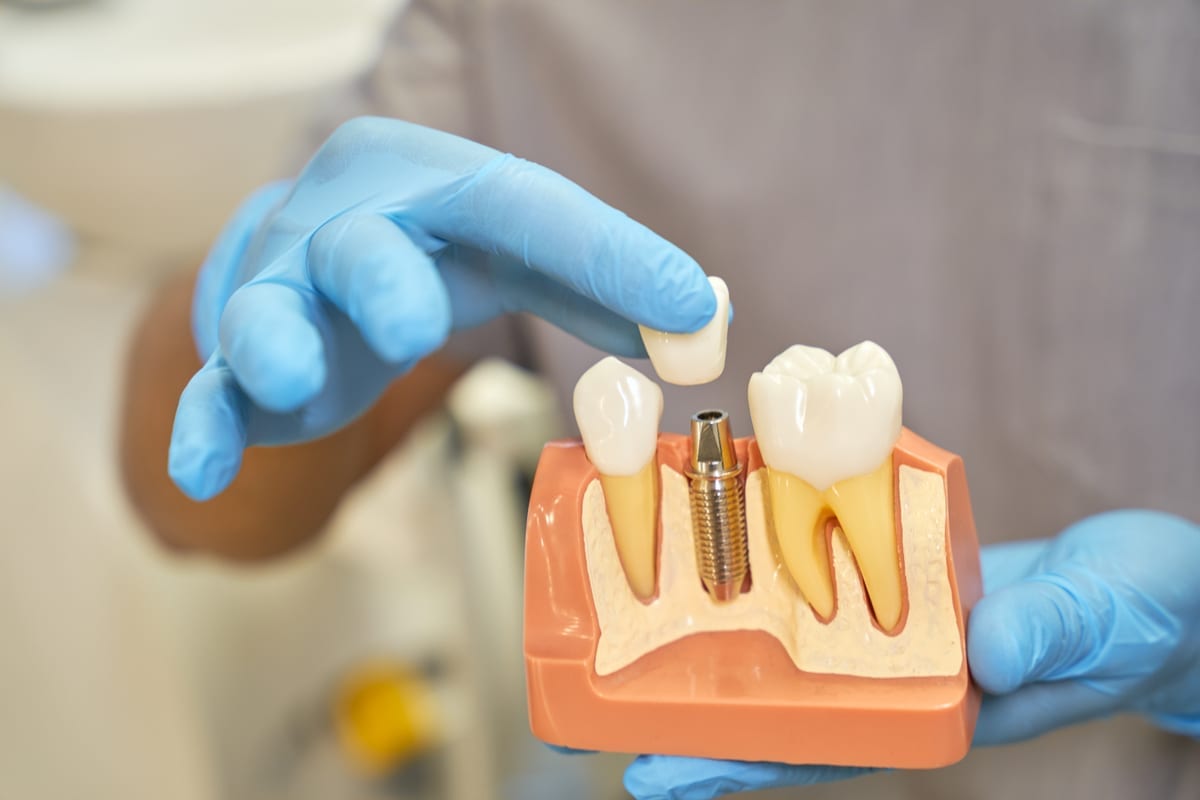
A dental implant is a small titanium post placed into the jawbone. It acts as an artificial tooth root. Over time, the bone grows around the post in a process called osseointegration. This creates a stable foundation for a crown, bridge, or denture placed on top.
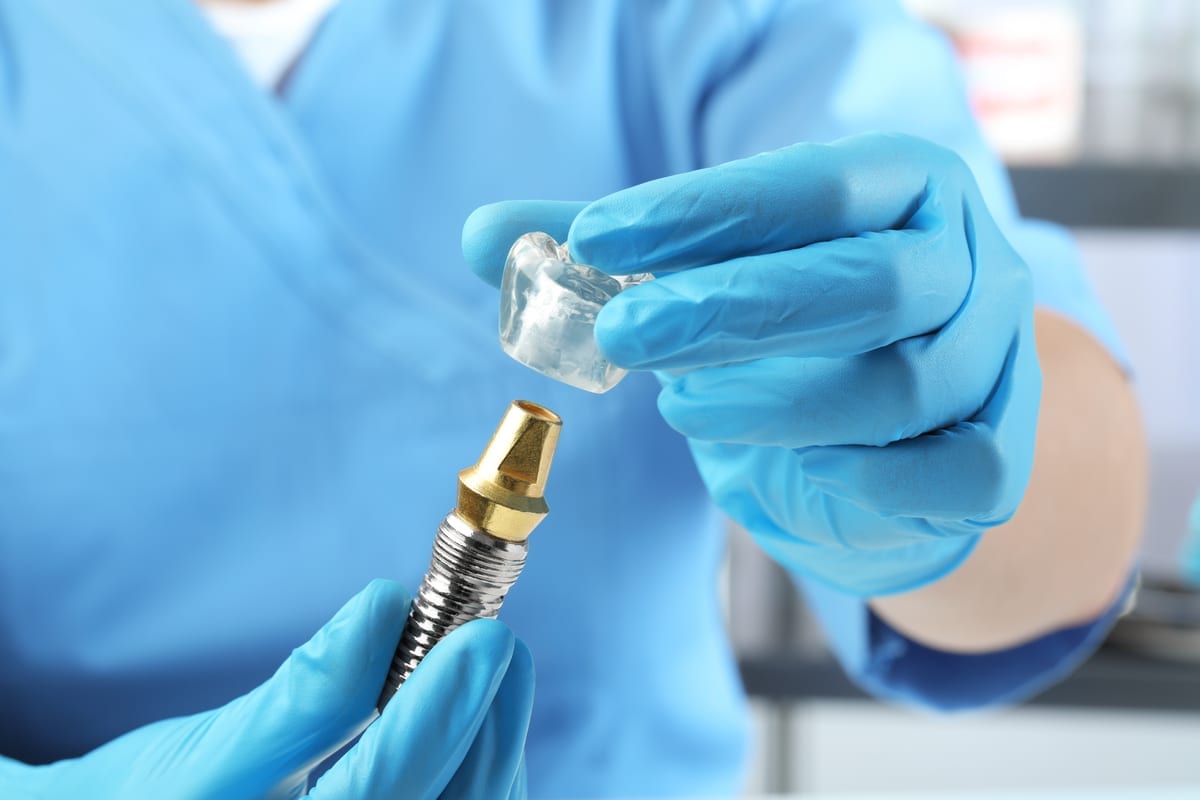
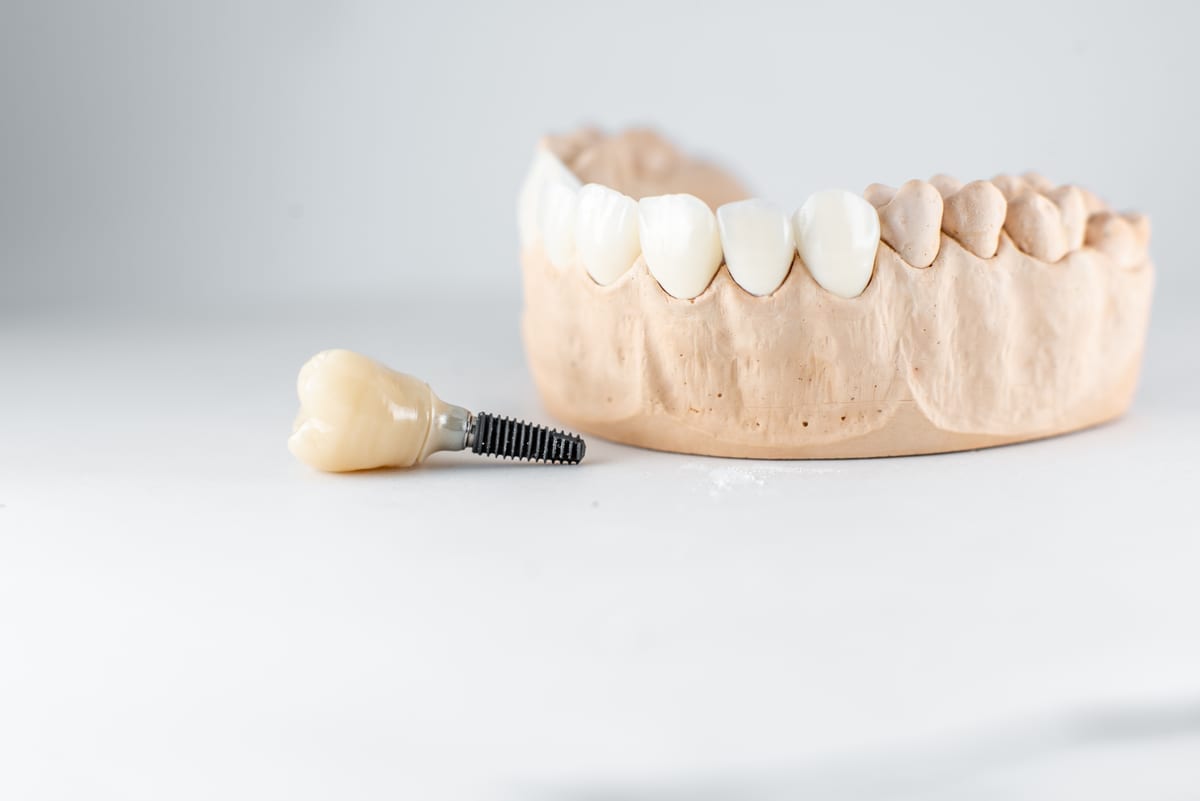
The implant system has three main parts. First, there is the titanium post itself. Second, an abutment connects the post to the final restoration. Third, a custom-made crown sits on top to look and function like a natural tooth. Together, these components create a replacement that feels secure and comfortable.
Who Is a Good Candidate for Dental Implants?
Most adults in good general health can be considered for implants. However, certain factors affect eligibility. Adequate jawbone density is one of the most important requirements. Without enough bone, the implant may not integrate properly or stay stable over time.
Gum health also plays a significant role. Active gum disease must be treated before implant placement can begin. Patients who smoke may face higher risks of complications. Our dental team carefully evaluates each patient’s full medical and dental history. This helps identify any conditions that need to be addressed first.
The Dental Implant Placement Process
The implant process typically takes place over several months. This timeline allows the bone to fully bond with the titanium post. Rushing the process can lead to implant failure. Understanding each stage helps patients feel prepared and confident going in.
The first step is a thorough consultation and imaging. X-rays and 3D scans help map out the exact placement site. Next, the implant post is surgically placed into the jawbone. A healing period follows, usually lasting a few months. Once healing is complete, the abutment and crown are attached. The final result is a fully functional, natural-looking tooth.
Recovery and Aftercare
Recovery after implant surgery is usually manageable. Most patients experience some swelling, mild discomfort, and bruising in the first few days. Over-the-counter pain relief is often sufficient to stay comfortable. Most people return to normal activities within a day or two.
Proper aftercare is essential for long-term success. Patients should follow all post-surgical instructions carefully. Soft foods are recommended during early healing. Avoid hard, crunchy, or very hot foods near the surgical site. Keeping the area clean with gentle brushing and saltwater rinses also supports healing. Regular follow-up visits allow our dental team to monitor progress closely.
Long-Term Care for Dental Implants
One major advantage of implants is their durability. With proper care, they can last many years or even a lifetime. Daily brushing and flossing are just as important for implants as for natural teeth. Plaque can build up around the implant and lead to a condition called peri-implantitis, which is similar to gum disease.
Routine dental visits are essential for maintaining implant health. Professional cleanings remove buildup that brushing cannot reach. Our dental team also checks the implant, crown, and surrounding tissues at each visit. Explore our full range of dental services to learn how we support your complete oral health. Patients who maintain good oral hygiene tend to enjoy the best long-term outcomes.
How Dental Implants Compare to Other Options
Patients with missing teeth have several replacement options. These include removable dentures and fixed dental bridges. Each option has its own benefits and limitations. Understanding the differences helps patients make informed decisions with their dental team.
Dentures are removable and tend to be less stable over time. They can shift while speaking or eating, which some patients find frustrating. Bridges are fixed but require altering the adjacent healthy teeth for support. Dental implants, by contrast, stand independently without affecting neighboring teeth. They also help preserve the jawbone, which naturally shrinks after tooth loss. Learn more about our team and how we guide patients through these important decisions. To discuss which option may suit your needs, contact us today.
Frequently Asked Questions
How long do dental implants last?
With proper care, dental implants can last many years and often a lifetime. The crown on top may need replacement after 10 to 15 years due to normal wear. Good oral hygiene and regular dental visits are key factors in implant longevity.
Does getting a dental implant hurt?
The procedure is performed under local anesthesia, so most patients feel little to no pain during placement. Some soreness and swelling are normal in the days following surgery. Most patients find the discomfort manageable with over-the-counter pain relievers.
How do I know if I have enough bone for an implant?
Our dental team uses X-rays and 3D imaging to assess your bone density and structure. If bone loss has occurred, a bone grafting procedure may be recommended before implant placement. This helps create a strong foundation for the implant.
Can dental implants fail?
While implant failure is rare, it can happen. Risk factors include smoking, uncontrolled diabetes, poor oral hygiene, and certain medical conditions. Following your aftercare instructions and attending regular check-ups significantly reduces the risk of complications.
Are dental implants easy to care for?
Yes, caring for implants is similar to caring for natural teeth. Daily brushing, flossing, and routine professional cleanings are the foundation of good implant care. There are no special adhesives or removal routines required, making them a convenient long-term solution.