


By Anchor Dental Implant Center | August 10, 2026
Most Austin patients are surprised to learn that dental implants last 25+ years — and often a lifetime. That kind of durability makes implants one of the smartest long-term investments in your oral health. But longevity isn’t automatic. It depends on several factors, many of which are within your control. Dr. Hooman Samani at Anchor Dental Implant Center helps Austin patients understand exactly what keeps implants performing for decades.
How Long Do Dental Implants Actually Last?
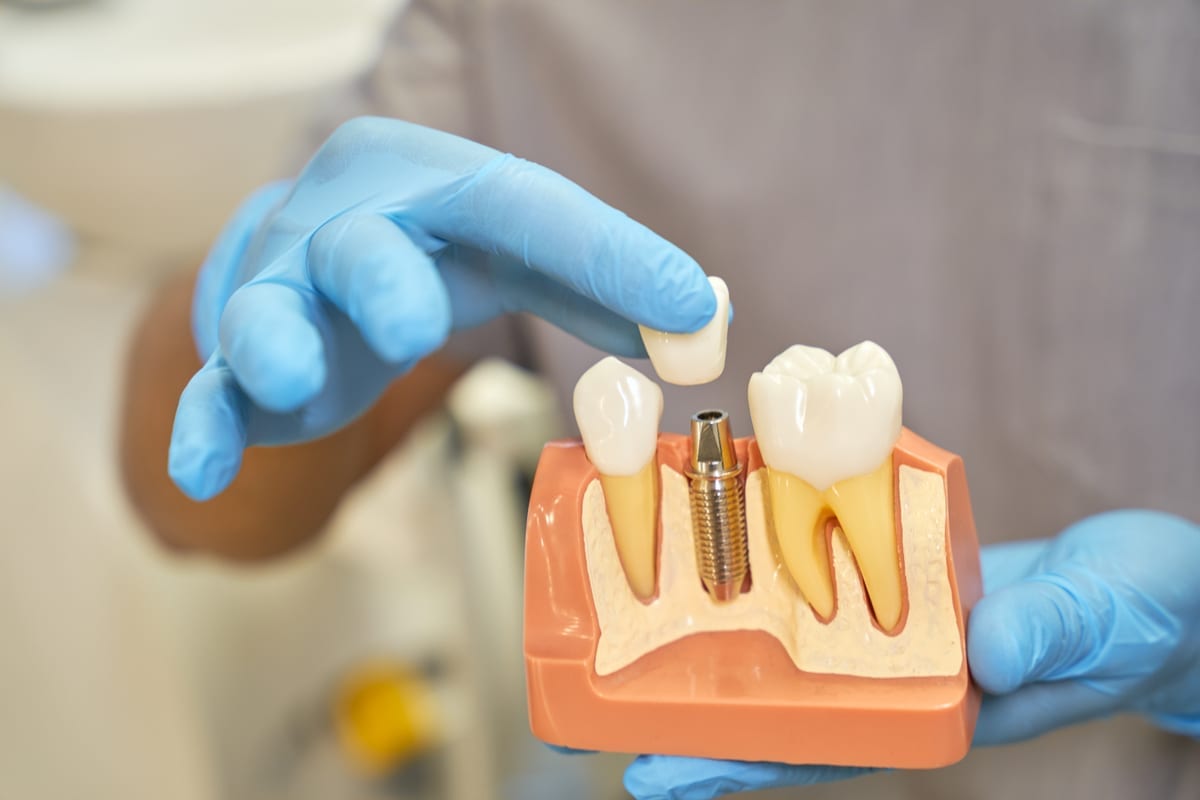
The titanium post that anchors your implant into the jawbone can last a lifetime. Studies consistently show implant survival rates above 95% at the 10-year mark. Many patients keep their implants for 25 to 30 years with zero complications. That’s significantly longer than bridges or dentures, which typically need replacement every 7 to 15 years.
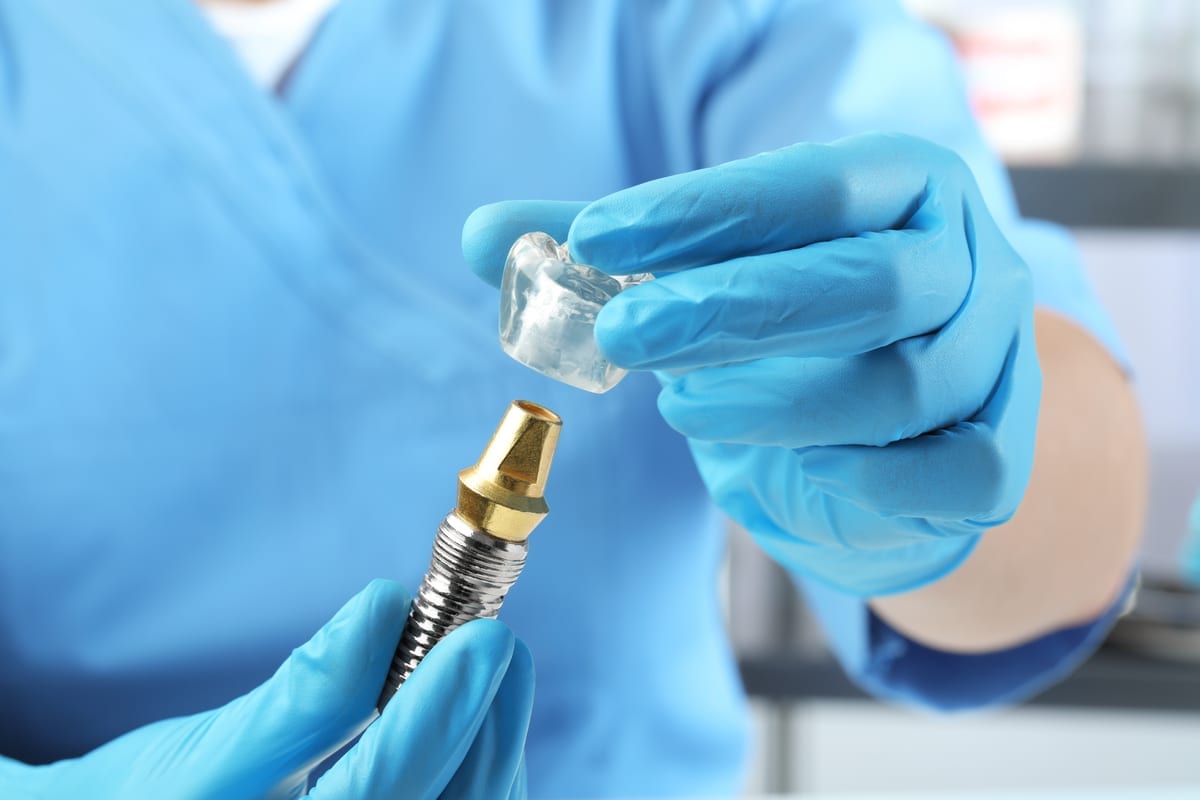
The crown attached to your implant has a shorter lifespan than the post itself. Crowns typically last 10 to 15 years before showing wear. However, replacing a crown is simple and far less invasive than starting over. The implant post beneath it usually stays firmly in place.
Longevity varies from person to person. Your overall health, oral hygiene habits, and lifestyle choices all play a role. Understanding these factors helps you take the right steps early. That’s where patient education makes a real difference.
Key Factors That Shorten Implant Lifespan in Austin Patients
Certain habits and health conditions put implants at risk. Knowing the warning signs helps you act before small problems become major ones. Dr. Samani frequently sees these issues reduce implant longevity in Austin patients.
- Smoking and tobacco use: Nicotine restricts blood flow and slows healing. It significantly increases the risk of implant failure.
- Uncontrolled diabetes: High blood sugar impairs healing and raises infection risk around the implant site.
- Poor oral hygiene: Bacteria buildup around the implant causes peri-implantitis, a gum disease that destroys supporting bone.
- Teeth grinding (bruxism): Constant pressure from grinding wears down the crown and stresses the implant post.
- Skipping dental checkups: Problems caught early are easy to fix. Ignored issues can lead to implant loss.
Peri-implantitis is one of the leading causes of early implant failure. It mimics gum disease and progresses quietly. Regular professional cleanings and checkups catch it before it causes serious damage. Early treatment protects both your implant and surrounding bone.
What Extends That Lifespan: Habits That Help Implants Last 25+ Years
The good news is that most implant-threatening factors are manageable. Small daily habits make an enormous difference over time. Austin patients who commit to these practices consistently enjoy longer-lasting results.
- Brush twice daily: Use a soft-bristled brush around the implant crown and gumline.
- Floss daily: Specialized implant floss or a water flosser cleans areas a regular brush misses.
- Attend biannual checkups: Professional cleanings remove buildup that home care can’t address.
- Wear a nightguard if you grind: A custom guard protects the crown and reduces stress on the post.
- Stay hydrated and eat a balanced diet: Good nutrition supports bone density and gum health.
- Avoid chewing ice or hard objects: These habits chip crowns and stress the implant structure.
Quitting smoking is one of the highest-impact changes you can make. Patients who stop smoking before implant surgery experience significantly better outcomes. Even quitting after placement improves long-term success. Talk to Dr. Samani if you need support with this step.
The Role of Proper Implant Placement in Long-Term Success
Longevity starts before the implant is ever placed. The surgical technique, implant positioning, and bone quality all determine how well the post integrates. Osseointegration — the process where bone fuses with the titanium post — is the foundation of lasting implant success.
Sufficient bone density is essential for a stable foundation. Patients with bone loss may need a graft before implant placement. Skipping this step leads to poor integration and early failure. A thorough evaluation before surgery prevents these problems.
Implant angle and depth matter enormously. Incorrectly placed implants experience uneven bite forces. Over time, that stress causes fractures or loosening. Precise placement by an experienced provider like Dr. Samani sets the stage for decades of function.
Some patients feel anxious about the surgical process. Anchor Dental Implant Center offers Sedation Options Austin patients can explore to make the experience more comfortable. A relaxed patient is easier to treat precisely, which also supports better outcomes.
Why Choosing the Right Austin Provider Matters
Not all implant experiences are equal. The provider you choose directly impacts how long your implants last. Experience, technology, and follow-up care all contribute to long-term success.
Dr. Hooman Samani brings focused expertise in implant dentistry to every case. He takes time to review each patient’s bone structure, health history, and goals. That personalized approach leads to placements designed to last. Austin patients benefit from care that goes well beyond the procedure itself.
Curious what other Austin patients have experienced? Reading Reviews Austin patients have shared gives you honest insight into real outcomes. Genuine patient stories help set realistic expectations. They also reflect the level of care you can expect at every visit.
Ongoing follow-up care is just as important as the initial placement. Anchor Dental Implant Center schedules post-procedure checkups to monitor healing. Any early signs of trouble are addressed immediately. That proactive approach is one reason so many Austin patients enjoy implants that last 25+ years and beyond.
Conclusion: Your Implant Longevity Starts Today
Dental implants are built to last — but only when patients and providers work together. Understanding the factors that extend or shorten implant life gives you real power over your outcome. The choices you make daily, from brushing habits to checkup schedules, directly shape how long your implants serve you. Austin patients who stay proactive enjoy results that truly stand the test of time. Book Now to schedule your appointment with our team.
Frequently Asked Questions
How long do dental implants last on average?
The titanium implant post can last a lifetime with proper care. The crown on top typically lasts 10 to 15 years before needing replacement. Overall, most patients enjoy fully functional implants for 25 years or more. Regular checkups and good oral hygiene are the biggest factors in achieving that lifespan.
What causes dental implants to fail early?
Early implant failure is most often linked to infection, poor osseointegration, or uncontrolled health conditions like diabetes. Smoking is a major risk factor that significantly reduces implant success rates. Poor oral hygiene that leads to peri-implantitis is another common cause. Choosing an experienced provider and following aftercare instructions greatly reduces these risks.
Can I make my dental implants last longer?
Yes, absolutely. Brushing twice daily, flossing around the implant, wearing a nightguard if you grind, and attending regular cleanings all extend implant life. Avoiding tobacco and hard foods also protects the crown and post. Small consistent habits make the biggest difference over time.
Do dental implants require special cleaning tools?
Standard brushing is a good start, but specialized tools help clean around implants more effectively. Implant-specific floss, interdental brushes, and water flossers all reach tight spaces that regular floss misses. Your dental team can recommend the right tools for your specific implant type. Using them consistently prevents the buildup that leads to peri-implantitis.
How often should I visit the dentist after getting implants?
Most implant patients should visit every six months for professional cleanings and checkups. If you have a history of gum disease or other risk factors, more frequent visits may be recommended. These appointments allow Dr. Samani to monitor your implant, gum health, and bone levels. Early detection of any issue is the best way to protect your long-term investment.