

By Anchor Dental Implant Center | August 3, 2026
Most people considering dental implants ask the same first question: how long will they actually last? The answer is encouraging. With proper care, dental implants last 25+ years — and what determines yours in Austin comes down to several well-understood factors. Dr. Hooman Samani at Anchor Dental Implant Center helps Austin patients make informed decisions about implant longevity every day. Understanding these factors puts you in control of your outcome.
Why Dental Implants Last Longer Than Other Tooth Replacements
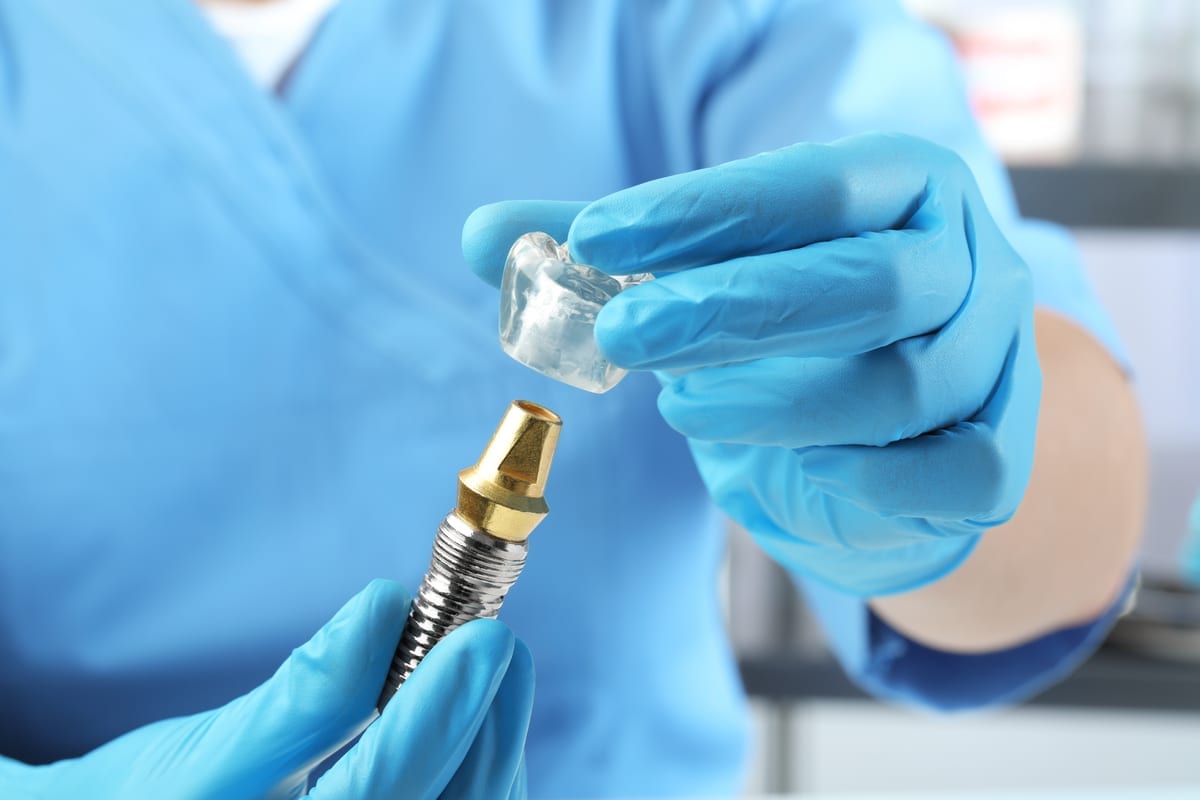
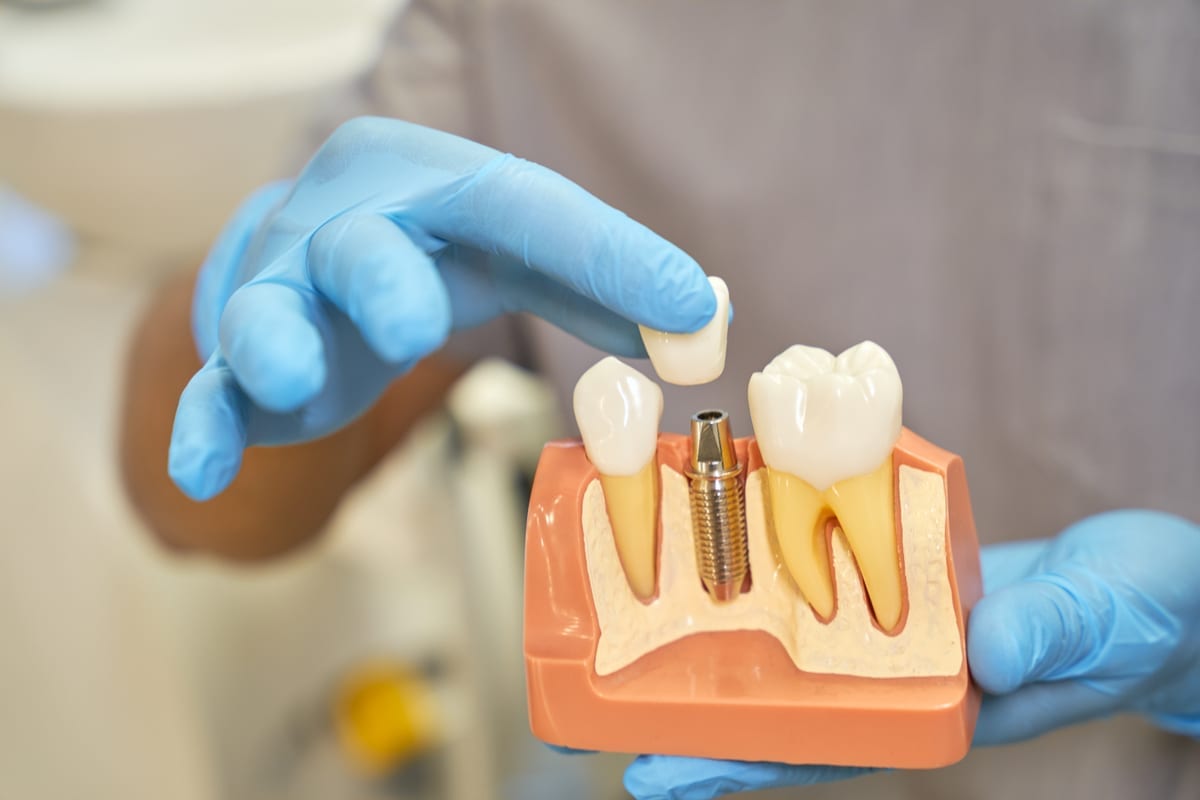
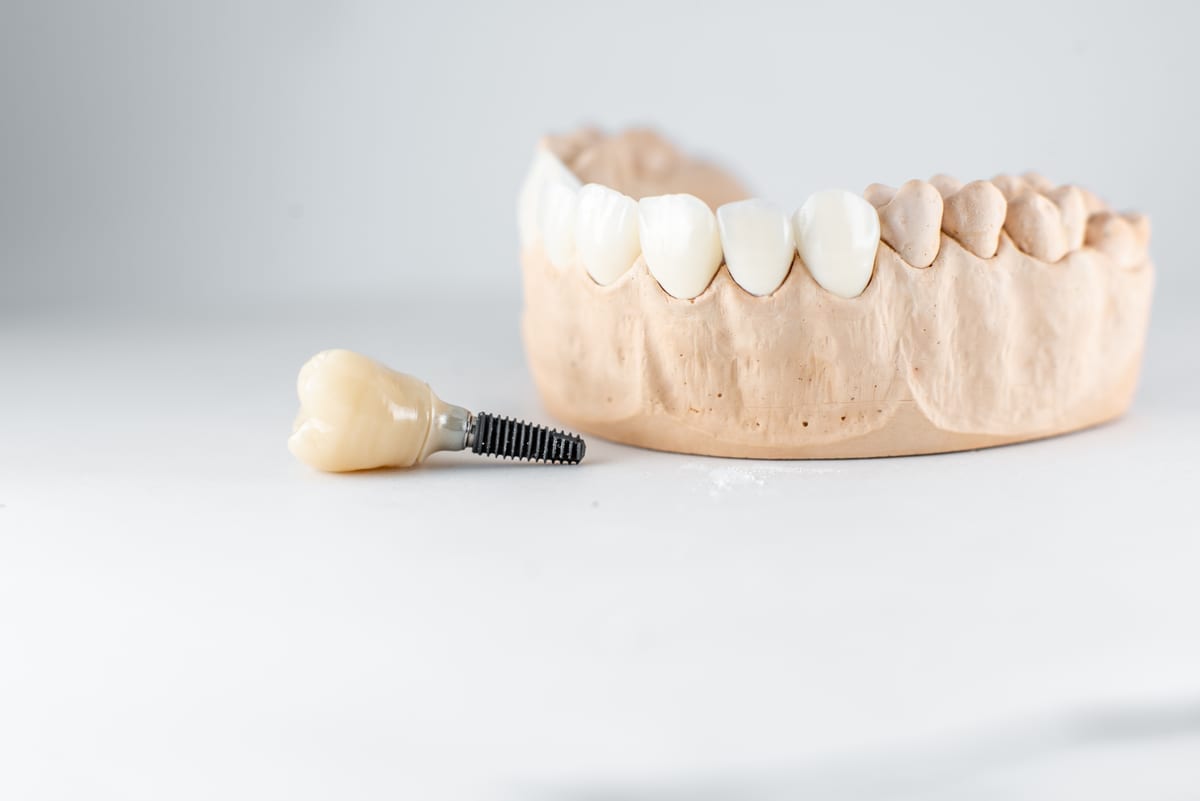
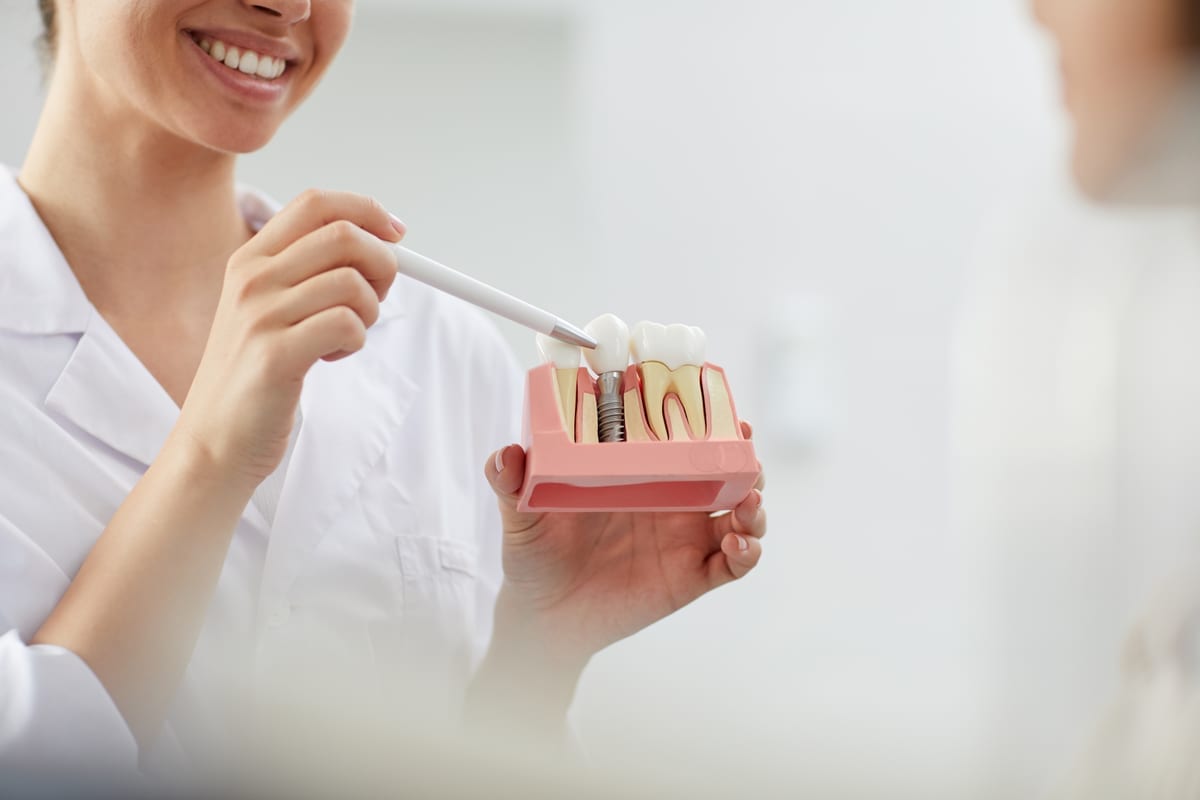
Dental implants are unique because they replace the tooth root itself. A titanium post fuses directly with your jawbone in a process called osseointegration. This creates a stable, permanent foundation unlike any other tooth replacement option.
Traditional dentures sit on top of the gum line. Dental bridges rely on neighboring teeth for support. Neither option stimulates the jawbone the way a natural tooth root does.
Implants preserve jawbone density over time. That bone preservation is one reason implants outlast bridges and dentures by decades. A well-placed implant can become a truly lifetime solution for many Austin patients.
Key Factors That Determine How Long Your Implants Last in Austin
Not every implant has the same lifespan. Several personal and clinical factors influence whether yours lasts 15 years or 40 years. Knowing these factors helps you protect your investment from day one.
Here are the most important variables that affect implant longevity:
- Bone density at placement: Adequate jawbone volume allows the implant to fuse securely. Bone grafting may be needed before placement if density is low.
- Oral hygiene habits: Daily brushing and flossing prevent peri-implantitis, a gum infection that is the leading cause of implant failure.
- Smoking status: Smoking dramatically reduces blood flow to the gums. This slows healing and weakens the bone-to-implant bond over time.
- Systemic health conditions: Uncontrolled diabetes and certain autoimmune conditions can interfere with healing and long-term stability.
- Bruxism (teeth grinding): Grinding places excessive pressure on implants. A custom nightguard can protect your implants during sleep.
- Surgeon experience and placement precision: Correct implant angle and depth matter enormously for long-term success rates.
Dr. Samani evaluates every one of these factors during your consultation. A personalized treatment plan accounts for your unique biology and lifestyle before any procedure begins.
Habits That Shorten Implant Lifespan — and How to Avoid Them
Many patients are surprised to learn that daily habits influence implant survival more than any single clinical variable. The good news is that most harmful habits are entirely changeable. Small adjustments can add years — or even decades — to your implants.
Habits that shorten implant lifespan include:
- Skipping regular dental cleanings and check-ups
- Using tobacco products in any form
- Consuming excessive alcohol, which impairs healing
- Chewing on hard objects like ice, pens, or hard candy
- Ignoring early signs of gum inflammation around implants
- Failing to wear a nightguard when bruxism is present
Peri-implantitis is the single biggest threat to long-term implant success. This bacterial infection attacks the gum and bone surrounding the implant. Caught early, it is treatable. Left untreated, it can cause implant failure.
Regular professional cleanings at Anchor Dental Implant Center allow Dr. Samani’s team to monitor the tissue around each implant. Early detection makes all the difference in preserving your results.
How to Make Your Dental Implants Last a Lifetime in Austin
The 25-year benchmark is not a ceiling — it is a starting point. Many patients enjoy implants for 30, 40, or even 50 years with the right approach. Building a care routine around your implants is simple once you know what to prioritize.
Follow these proven steps to maximize implant lifespan:
- Brush twice daily using a soft-bristle toothbrush around the implant crown and gum line.
- Floss daily with implant-specific floss or a water flosser to remove bacteria from below the gum line.
- Attend twice-yearly cleanings so your dental team can monitor bone levels and tissue health with X-rays.
- Quit tobacco use completely — even switching from cigarettes to vaping does not eliminate the risk.
- Wear a nightguard if your dentist identifies signs of grinding or clenching during sleep.
- Eat a balanced diet rich in calcium and vitamin D to maintain the jawbone that supports your implants.
Some patients feel anxious about dental visits or implant procedures. Austin patients can ask about Sedation Options Austin to make every appointment comfortable and stress-free.
Patients considering implants often want to hear from others who have already made the choice. Reading Reviews Austin from real Anchor Dental Implant Center patients can provide helpful perspective on the experience and outcomes.
What to Expect From the Implant Process at Anchor Dental Implant Center
Dr. Hooman Samani uses advanced imaging and digital planning tools for every implant placement. Precise placement protects surrounding bone and tissue while optimizing long-term stability. Every step of the process is explained clearly before it begins.
The typical implant journey in Austin involves a consultation, any preparatory treatments like bone grafting, implant placement surgery, a healing period, and final crown placement. The healing period — when osseointegration occurs — is critical. Following post-operative care instructions during this phase directly affects how long your implant lasts.
Dr. Samani’s team monitors your progress at every stage. Follow-up visits are not just routine — they are part of the long-term success strategy built into every treatment plan at Anchor Dental Implant Center.
Conclusion: Your Implants Can Last a Lifetime With the Right Support
Dental implants are one of the most durable tooth replacement options available today. When placed correctly and cared for consistently, they truly can last a lifetime. Austin patients who partner with an experienced, attentive team give their implants the best possible foundation for long-term success. Book Now to schedule your appointment with our team.
Frequently Asked Questions
How long do dental implants actually last?
With proper care, dental implants can last 25 years or more — and many patients enjoy them for 40 or 50 years. The implant post itself rarely fails. The crown attached to it may need replacement after 15 to 20 years due to normal wear.
What is the most common reason dental implants fail?
Peri-implantitis — a bacterial gum infection around the implant — is the leading cause of implant failure. It is largely preventable with consistent oral hygiene and regular professional cleanings. Smoking significantly increases the risk of developing this condition.
Can dental implants fail years after placement?
Yes, late-stage implant failure can occur years after a successful placement. It is usually linked to uncontrolled gum disease, bone loss, or chronic health conditions. Regular monitoring by your dental team helps catch problems early before they become serious.
Does smoking really affect how long implants last?
Yes. Smoking reduces blood flow to gum tissue, slows healing after surgery, and weakens the bone-to-implant bond over time. Studies consistently show lower long-term implant success rates in smokers compared to non-smokers. Quitting before and after implant placement greatly improves outcomes.
Are dental implants in Austin worth the investment for long-term use?
For most patients, dental implants are an excellent long-term value. They preserve jawbone, function like natural teeth, and outlast other tooth replacement options by decades. When maintained properly, a single implant can serve you for the rest of your life without needing full replacement.