

By Anchor Dental Implant Center | August 24, 2026
Most patients are surprised to learn that dental implants can last 25 years or longer. In fact, with the right care, many patients keep their implants for a lifetime. If you live in Austin, TX and are considering this treatment, understanding longevity is essential. Knowing what makes dental implants last helps you protect your investment for decades to come.
How Long Do Dental Implants Actually Last?
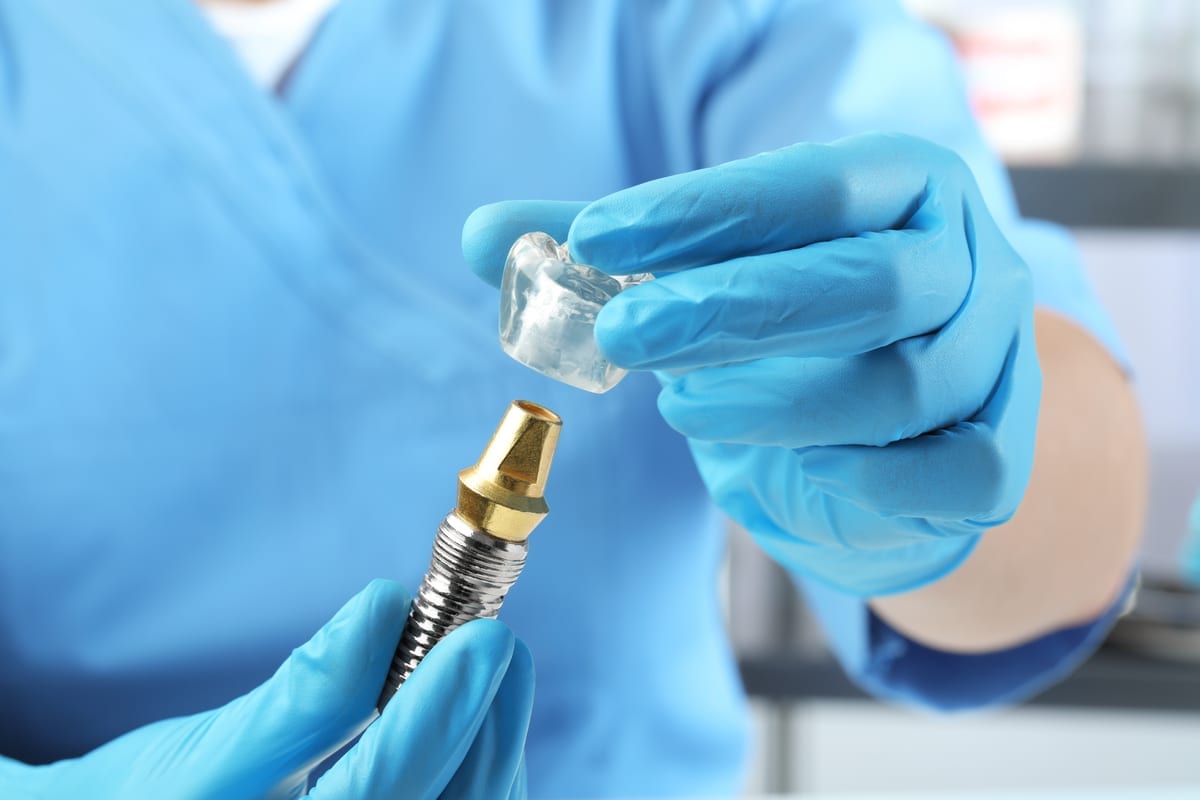
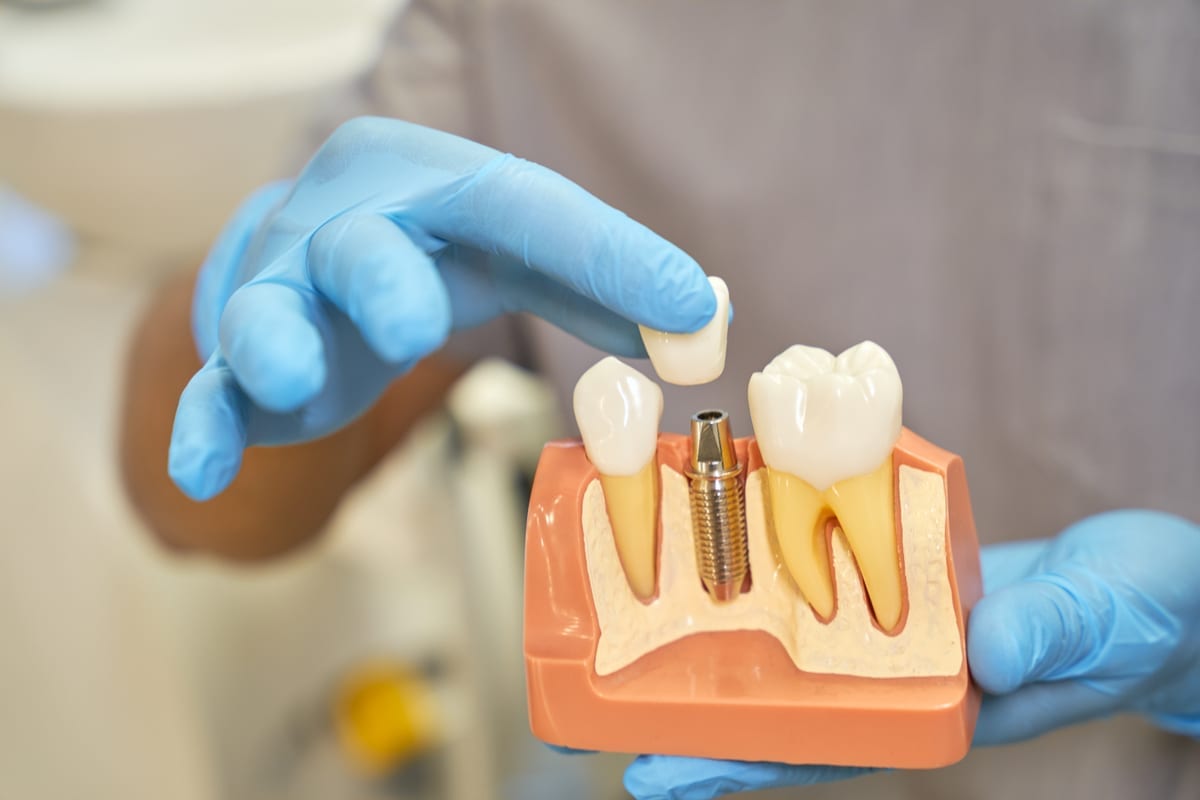
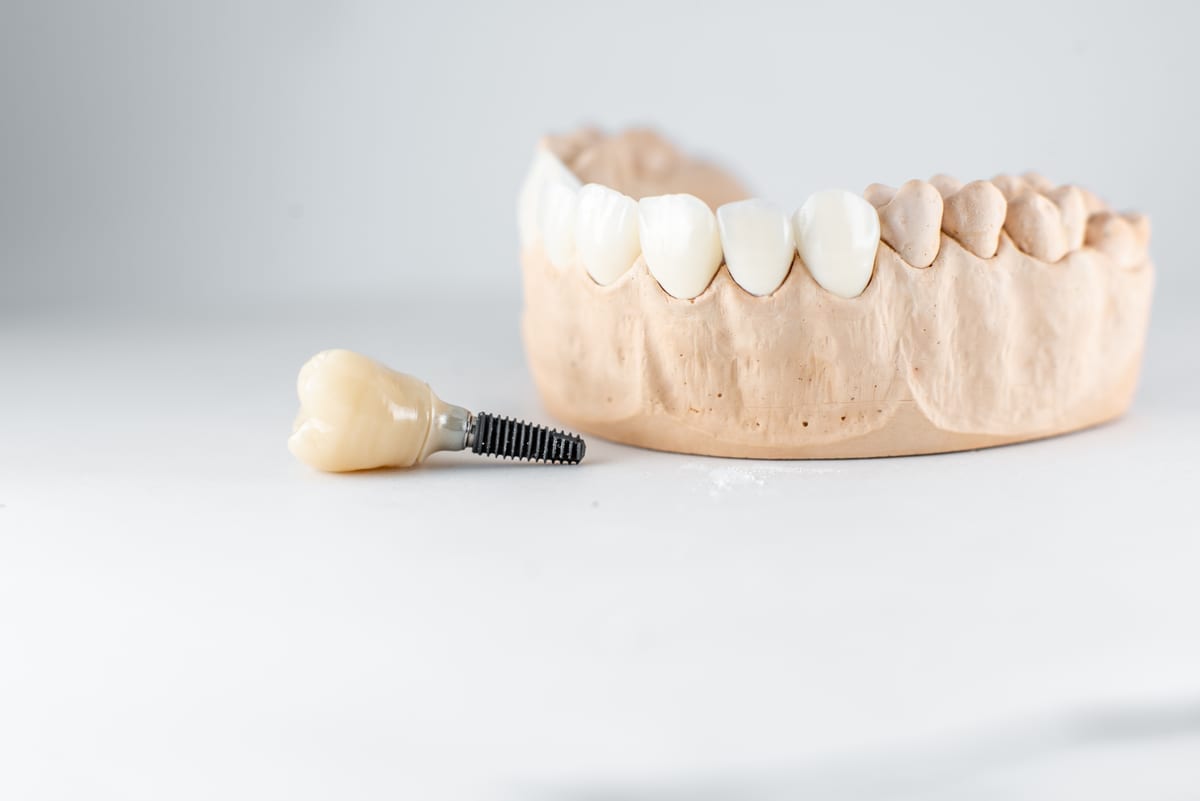
Studies consistently show that dental implants have a 95% success rate at 10 years. Many implants continue performing well past the 25-year mark. The titanium post fused into your jawbone is designed to be permanent. The crown attached on top may need replacement after 10–15 years due to normal wear.
This means the implant itself often outlasts the visible crown. Think of it like a house — the foundation stays solid, but the roof may need occasional updates. Dr. Hooman Samani helps Austin patients understand this distinction clearly. Planning for the long term means planning for both parts of the restoration.
Key Factors That Shorten Dental Implant Lifespan
Several lifestyle and health factors directly impact how long your implant lasts. Being aware of these risks helps you take preventive action early. Austin patients who understand these factors tend to get much better outcomes over time.
Here are the most common reasons implants fail prematurely:
- Smoking and tobacco use — restricts blood flow and slows healing around the implant site
- Poor oral hygiene — allows bacteria to cause peri-implantitis, an infection similar to gum disease
- Uncontrolled diabetes — impairs healing and increases infection risk significantly
- Teeth grinding (bruxism) — places excessive force on the crown and implant post
- Skipping dental checkups — allows small problems to grow into implant-threatening conditions
- Bone loss — insufficient jawbone density reduces long-term implant stability
Many of these risks are manageable with the right support. Dr. Samani works with each patient to identify personal risk factors before treatment begins. Addressing them early makes a meaningful difference in long-term success.
What You Can Do in Austin to Make Implants Last a Lifetime
The good news is that most patients have significant control over their implant’s lifespan. Daily habits and regular professional care are the two biggest factors. Austin residents who commit to both tend to see outstanding long-term results.
Follow these proven habits to protect your implant investment:
- Brush twice daily with a soft-bristle toothbrush around the implant area
- Floss daily using implant-specific floss or a water flosser to clean below the gumline
- Use an antibacterial mouthwash to reduce bacteria that cause peri-implantitis
- Avoid chewing ice or hard foods that can crack or loosen the crown
- Wear a night guard if you grind your teeth while sleeping
- Attend every six-month checkup so your care team can monitor bone and gum health
- Quit smoking — this single change dramatically improves implant survival rates
These habits are not complicated, but they must be consistent. Think of your implant like a car — regular maintenance keeps it running smoothly for years. Neglect is what causes problems, not the implant itself.
The Role of Professional Care in Implant Longevity
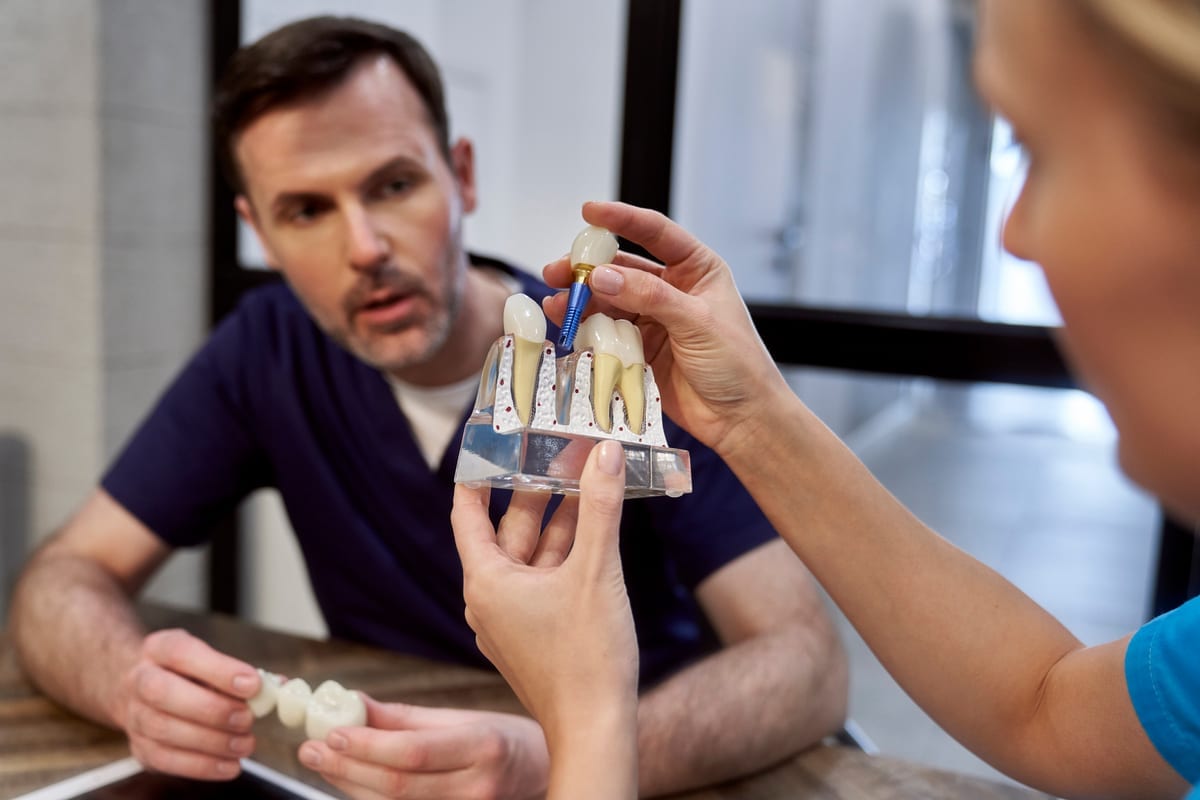
Your at-home routine matters, but professional oversight is equally important. Routine visits allow Dr. Samani to spot early signs of bone loss or gum inflammation. Catching these issues early prevents them from becoming serious threats to your implant.
During checkups at Anchor Dental Implant Center in Austin, the team will examine the gum tissue surrounding your implant. They will also check the crown for wear and assess the bite alignment. X-rays help reveal what is happening beneath the gumline where you cannot see.
Some patients feel nervous about dental visits. Anchor Dental Implant Center offers Sedation Options Austin to help anxious patients stay comfortable during every appointment. Comfort during care means patients are more likely to attend regularly — and regular attendance protects your implant.
Reading patient experiences can also be reassuring. Explore Reviews Austin from real patients who have trusted Dr. Samani with their implant care. Their stories reflect the quality of ongoing support you can expect at this practice.
Why Austin Patients Choose Anchor Dental Implant Center
Austin is a vibrant, health-conscious city. Residents here understand the value of investing in their long-term wellbeing. Dental implants align perfectly with that mindset — they are a permanent solution, not a temporary fix.
Dr. Hooman Samani brings both clinical expertise and genuine care to every patient relationship. He takes time to educate patients about what to expect at every stage. That education continues long after the implant is placed, ensuring each patient has the knowledge to protect their smile.
The team at Anchor Dental Implant Center views implant placement as the beginning of a long relationship. They are committed to supporting Austin patients through every decade of their implant’s life. That commitment makes a measurable difference in long-term outcomes.
Conclusion: Your Implant Can Last a Lifetime — With the Right Plan
Dental implants are one of the most durable solutions in modern dentistry. With proper care, they truly can last 25 years or more — sometimes for a lifetime. The key is combining great daily habits with consistent professional monitoring here in Austin.
If you are ready to learn how to protect your smile for the long term, the team at Anchor Dental Implant Center is here to guide you. Dr. Samani will create a personalized plan to maximize your implant’s lifespan from day one. Book Now to schedule your appointment with our team.
Frequently Asked Questions
How long do dental implants typically last?
Dental implants can last 25 years or longer with proper care. The titanium post is designed to be a permanent fixture in the jawbone. The crown on top may need replacement after 10–15 years due to everyday wear. With consistent hygiene and regular checkups, many patients keep their implants for a lifetime.
What is the most common reason dental implants fail?
Peri-implantitis — a bacterial infection around the implant — is the leading cause of implant failure. It develops when plaque builds up around the implant and gum tissue. Smoking, poor oral hygiene, and skipping dental visits all increase this risk. Catching early signs during routine checkups helps prevent serious complications.
Can I brush and floss a dental implant like a natural tooth?
Yes, and you absolutely should. Brush gently around the implant twice daily using a soft-bristle toothbrush. Use implant-specific floss or a water flosser to clean beneath the gumline. These habits prevent bacterial buildup and protect the gum tissue surrounding the implant post.
Does teeth grinding affect how long implants last?
Yes, bruxism places significant pressure on the implant crown and post over time. This force can cause the crown to crack or loosen the implant prematurely. Wearing a custom night guard protects your implant during sleep. Dr. Samani can assess your bite and recommend the right protective device for you.
How often should I visit the dentist after getting a dental implant?
Most patients should visit every six months for a professional cleaning and implant assessment. Dr. Samani will examine the gum tissue, check bone levels with X-rays, and inspect the crown for wear. More frequent visits may be recommended for patients with higher risk factors. Regular monitoring is one of the most powerful tools for long-term implant success.