

By Anchor Dental Implant Center | May 18, 2026
Dental Implants Austin: Your Complete Guide to Permanent Tooth Replacement
Missing teeth affect more than just your smile. They impact your ability to eat, speak clearly, and feel confident in social situations. Dental implants Austin residents trust offer a permanent solution that looks and functions like natural teeth. This comprehensive guide walks you through everything you need to know about this life-changing treatment.
Whether you’ve lost a single tooth or multiple teeth, understanding your options is the first step toward restoration. Dental implants have become the gold standard in tooth replacement because they address both the visible crown and the hidden root. This complete approach prevents bone loss and maintains your facial structure over time.
Let’s explore what makes dental implants different, who benefits most from them, and what you can expect throughout the treatment process.
What Are Dental Implants and How Do They Work?
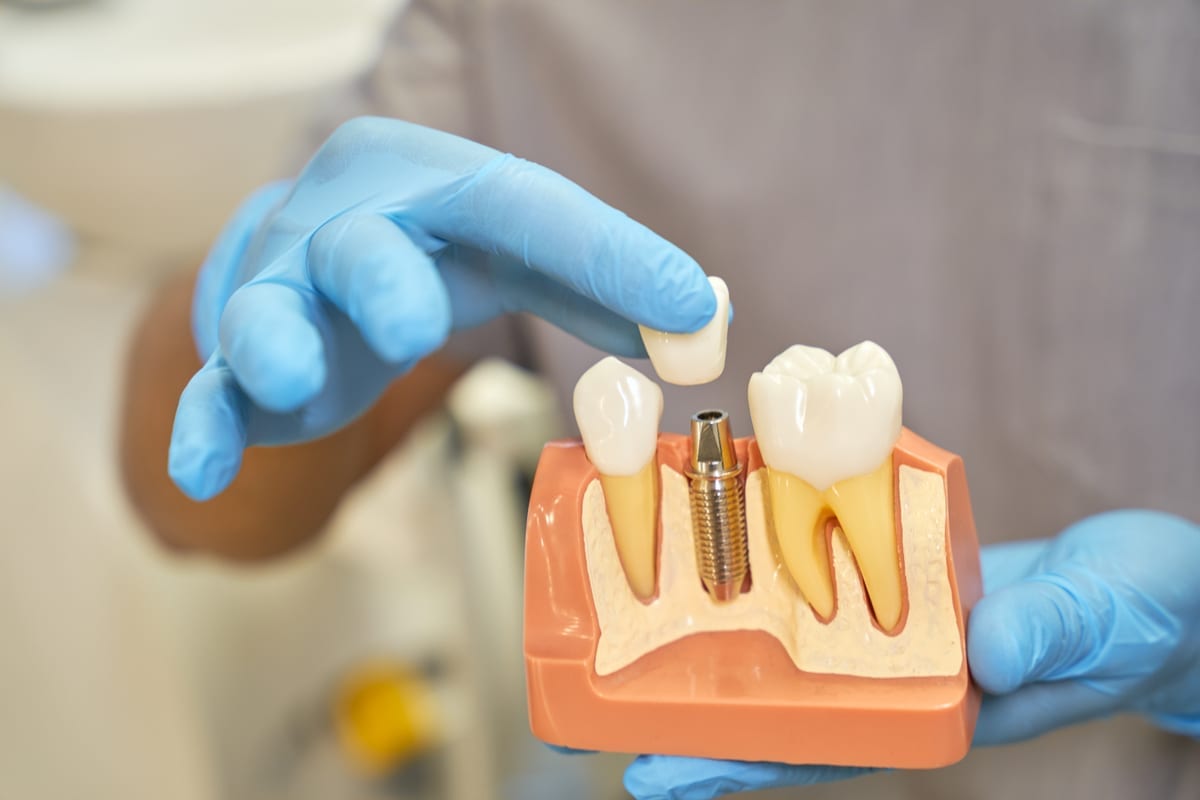
A dental implant is a small titanium post that serves as an artificial tooth root. Your dentist surgically places it into your jawbone, where it fuses with the bone through a process called osseointegration. This creates a stable foundation for the replacement tooth that sits on top.
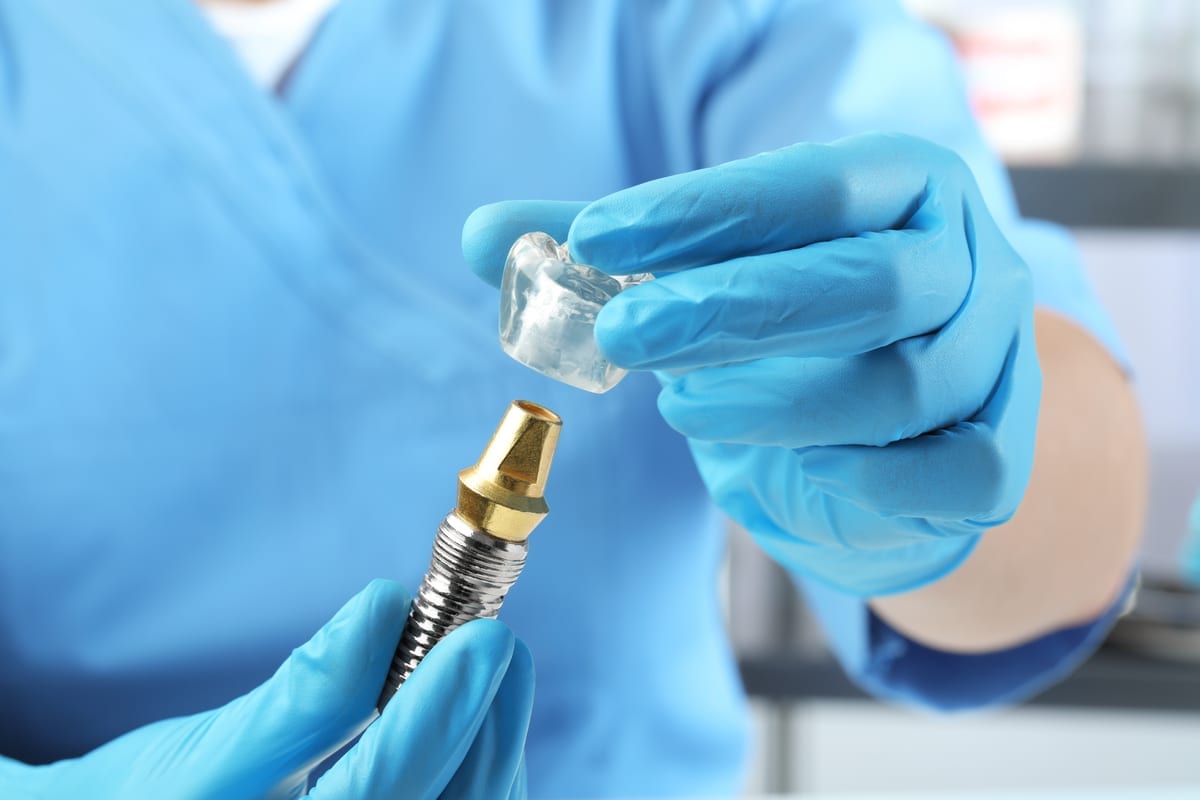
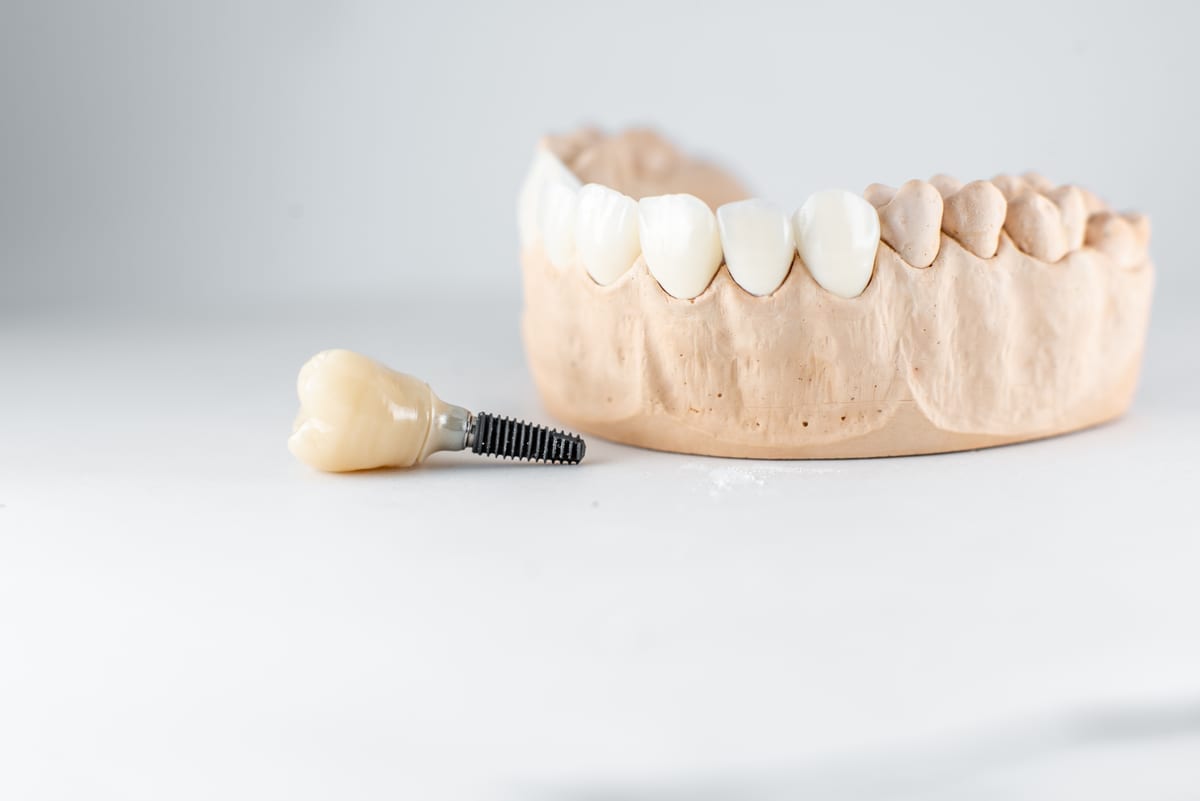
The implant system consists of three main components. The implant post anchors everything in your jawbone. The abutment connects the post to the visible crown. The crown is the custom-made tooth that matches your natural teeth in color, shape, and size.
Unlike dentures or bridges, implants don’t rely on adjacent teeth for support. They stand independently, which means your healthy teeth remain untouched. This independence also makes cleaning easier and helps preserve your overall oral health.
The titanium material is biocompatible, meaning your body accepts it without rejection. Over several months, your bone actually grows around the implant, creating a permanent bond. This process mimics how natural tooth roots integrate with your jawbone.
Who Benefits Most from Dental Implants in Austin?
Dental implants work well for many patients, but certain situations make them especially beneficial. Adults who have lost one or more teeth due to injury, decay, or gum disease are ideal candidates. The key requirement is having enough healthy jawbone to support the implant.
You might be a good candidate if you experience any of these situations:
- You have one or more missing teeth that affect your confidence or function
- You wear dentures that slip, click, or cause discomfort when eating
- You want a permanent solution rather than removable appliances
- Your jawbone has finished growing and you’re in overall good health
- You practice good oral hygiene and commit to regular dental visits
Some patients worry they’ve waited too long for treatment. While bone loss can occur after tooth loss, many cases can still receive implants with additional procedures. A bone graft can rebuild lost bone structure before implant placement.
Certain health conditions require special consideration. Uncontrolled diabetes, active gum disease, or heavy smoking can affect healing. However, these factors don’t automatically disqualify you. Your dentist evaluates your specific situation and may recommend preparatory treatments to improve your chances of success.
Key Benefits of Choosing Dental Implants Austin
Dental implants offer advantages that extend far beyond appearance. They provide functional, health, and lifestyle benefits that other tooth replacement options simply cannot match. Understanding these advantages helps you make an informed decision about your dental care.
The most significant benefit is permanence. With proper care, implants can last a lifetime. Traditional bridges typically need replacement every 7 to 10 years. Dentures require periodic adjustments as your jawbone changes shape. Implants eliminate these ongoing concerns.
Here are the primary benefits patients experience:
- Natural appearance that blends seamlessly with your existing teeth
- Restored chewing power allowing you to enjoy all your favorite foods
- Preserved bone structure preventing the sunken facial appearance of bone loss
- Improved speech clarity without the slipping common with dentures
- No dietary restrictions like those required with removable appliances
- Protection of adjacent teeth that remain untouched and healthy
- Enhanced self-confidence in social and professional settings
The bone preservation aspect deserves special attention. Your jawbone needs stimulation from tooth roots to maintain its density. When you lose a tooth, the bone in that area begins to deteriorate. Implants provide the stimulation natural roots once did, stopping this bone loss.
Austin residents also appreciate how implants fit into their active lifestyles. You can swim, exercise, and enjoy outdoor activities without worrying about dentures slipping. The hot, humid climate here means many of us spend time outdoors, and implants never limit those activities.
The Dental Implant Process: What to Expect
Understanding the treatment timeline helps you prepare mentally and practically for your journey. The process typically unfolds over several months, though the exact duration varies based on individual healing and whether additional procedures are needed.
Your first visit involves a comprehensive evaluation. Dr. Hooman Samani examines your mouth, takes X-rays, and creates a customized treatment plan. This planning phase ensures the implant will be placed at the optimal angle and depth for long-term success.
The surgical placement happens during a separate appointment. You receive local anesthesia to keep you comfortable. The dentist creates a small opening in your gum tissue and carefully places the titanium post into your jawbone. This procedure typically takes one to two hours per implant.
Here’s what happens during the healing phase:
- Initial healing of gum tissue occurs within one to two weeks
- Osseointegration progresses over three to six months as bone fuses with the implant
- A healing abutment may be placed to shape the gum tissue
- Impressions are taken for your custom crown once fusion is complete
- Your permanent crown is attached during a final appointment
Some patients receive a temporary crown during the healing period. This placeholder lets you maintain appearance and some function while osseointegration completes. However, you’ll need to be gentle with it until the permanent restoration is placed.
The waiting period between stages allows your body to create a strong foundation. While it requires patience, this healing time is essential for long-term success. Most patients find the wait worthwhile when they experience the stability and function of their completed implant.
Recovery and Aftercare for Dental Implants
Recovery from implant surgery is typically easier than most patients expect. The first few days require the most attention and care. Understanding what’s normal helps you heal smoothly and recognize when to contact your dentist.
Immediately after surgery, you may experience mild swelling, bruising, or discomfort. These symptoms are normal and usually peak within 48 hours. Ice packs applied to your face help reduce swelling. Your dentist may recommend over-the-counter pain relievers to manage any discomfort.
Follow these guidelines during the first week:
- Eat soft foods that don’t require heavy chewing
- Avoid hot liquids that might irritate the surgical site
- Don’t smoke, as it significantly impairs healing
- Sleep with your head elevated to minimize swelling
- Rinse gently with warm salt water after 24 hours
Most patients return to work within one to two days. You can resume normal activities once you feel comfortable. However, avoid strenuous exercise for the first week as it can increase bleeding and swelling.
Long-term care for your implant mirrors care for natural teeth. Brush twice daily and floss once daily around the implant. Regular dental visits allow your dentist to monitor the implant and surrounding tissues. These checkups typically occur every six months.
The Austin climate means staying hydrated is important for overall oral health. Dry mouth can increase bacteria growth, so drink plenty of water throughout the day. This simple habit supports both your natural teeth and your dental implants.
Choosing Your Dental Implant Provider in Austin
Selecting the right dentist for your implant treatment is one of the most important decisions you’ll make. Experience, technology, and patient care all factor into successful outcomes. Take time to research and ask questions before committing to treatment.
Look for a provider with extensive implant training and experience. Ask how many implant procedures they perform annually. Dentists who place implants regularly develop refined skills and can handle complications if they arise. Advanced training beyond dental school demonstrates commitment to this specialty.
Technology matters in implant dentistry. Modern practices use 3D imaging to plan implant placement with precision. This technology shows bone density, nerve locations, and optimal positioning before surgery begins. Digital impressions create more accurate crowns than traditional molds.
Consider these factors when evaluating providers:
- Years of experience specifically with dental implants
- Before-and-after photos of actual patient cases
- Reviews and testimonials from implant patients
- Technology and techniques used in diagnosis and treatment
- Availability for follow-up care and emergencies
The consultation visit reveals a lot about a practice. Pay attention to how thoroughly the dentist explains the procedure. Do they answer your questions patiently? Do they discuss potential complications honestly? A provider who prioritizes education and informed consent creates a better treatment experience.
At Anchor Dental Implant Center, Dr. Hooman Samani combines advanced training with compassionate care. Our practice serves patients throughout Austin and nearby communities like St. Johns. We understand that dental implant treatment is a significant decision, and we’re here to support you at every stage.
Take the Next Step Toward a Complete Smile
Dental implants represent a significant investment in your oral health, appearance, and quality of life. The comprehensive benefits extend far beyond replacing missing teeth. They restore confidence, preserve your facial structure, and eliminate the limitations that come with tooth loss.
As late spring arrives in Austin, many residents focus on self-improvement before summer activities begin. This season brings graduations, celebrations, and opportunities to feel your best. If missing teeth have held you back, now is an excellent time to explore your options.
The journey to dental implants starts with a conversation. A thorough evaluation reveals whether implants are right for you and what your personalized treatment plan would involve. Every smile is unique, and your restoration should be too. Learn More about how we can help you.
Frequently Asked Questions
How long do dental implants last?
Dental implants can last a lifetime with proper care and maintenance. The titanium post that fuses with your jawbone is extremely durable. The crown on top may need replacement after 10 to 15 years due to normal wear, but the implant itself rarely needs replacement. Regular dental checkups and good oral hygiene maximize longevity.
Is dental implant surgery painful?
Most patients report minimal discomfort during and after implant surgery. Local anesthesia keeps you pain-free during the procedure. Afterward, any discomfort is typically mild and manageable with over-the-counter pain relievers. Many patients compare the experience to having a tooth extracted. Swelling and bruising usually resolve within a few days.
How much time does the entire dental implant process take?
The complete process typically takes three to six months from start to finish. This timeline includes the initial placement surgery, the osseointegration healing period, and the final crown placement. Some cases require additional time if bone grafting is needed first. While this seems lengthy, the waiting allows your body to create a strong, permanent foundation.
Can I eat normally with dental implants?
Yes, dental implants restore full chewing function. Once healing is complete, you can eat all the foods you enjoyed with natural teeth. Unlike dentures, which may restrict certain foods, implants have no dietary limitations. You’ll need to stick to soft foods during the initial healing period, but after that, your implant functions just like a natural tooth.
What happens if I don’t have enough bone for an implant?
Insufficient bone doesn’t automatically disqualify you from getting implants. Bone grafting procedures can rebuild lost bone structure and create adequate support for implants. During this procedure, bone material is added to your jaw and allowed to integrate before implant placement. While this adds time to your treatment, it makes implants possible for many patients who initially lack sufficient bone.