

By Anchor Dental Implant Center | September 7, 2026
If you have a missing tooth, your jaw is shifting right now. Most Austin patients don’t realize how quickly bone loss begins after tooth loss. Understanding why waiting on implants gets harder is the most important step you can take for your long-term health. Dr. Hooman Samani at Anchor Dental Implant Center wants you to know the warning signs before they become serious problems.
What Happens to Your Jaw After You Lose a Tooth
Your teeth do more than help you chew. They stimulate the jawbone beneath them every time you bite down. When a tooth is missing, that stimulation stops completely. Without it, the bone begins to shrink — a process called resorption.
Bone loss can begin within just a few weeks of losing a tooth. After one year, you may lose up to 25% of bone width in that area. Over several years, the changes become visible and structural. This is exactly why waiting on implants gets harder the longer you delay.
Many Austin patients assume a gap is just cosmetic. It is not. A shrinking jawbone affects your bite, your facial shape, and your surrounding teeth. Acting early gives you the best chance of a straightforward implant procedure.
Warning Signs You Have Already Waited Too Long
Your body sends clear signals when bone loss and tooth shifting are underway. Many patients ignore these signs or assume they are minor inconveniences. Recognizing them early can save you time, discomfort, and complexity down the road.
Here are the most common warning signs that you need to act now:
- Shifting or tilting teeth — Neighboring teeth begin to drift into the empty space.
- Difficulty chewing — You avoid certain foods or chew only on one side.
- Changes in your bite — Your top and bottom teeth no longer align properly.
- Sunken facial appearance — Your cheeks look hollow or your chin appears more prominent.
- Loose remaining teeth — Bone loss weakens the support for nearby teeth.
- Jaw pain or soreness — Your jaw muscles overcompensate for the missing structure.
If any of these sound familiar, your window for a simpler implant procedure may be closing. Dr. Samani evaluates each patient individually to determine what options remain available.
Why Shifting Teeth Make Implants More Complicated in Austin
When a neighboring tooth drifts into a gap, the space for an implant shrinks. Your dentist may need to move teeth back before placing an implant. That adds steps, time, and complexity to your treatment plan.
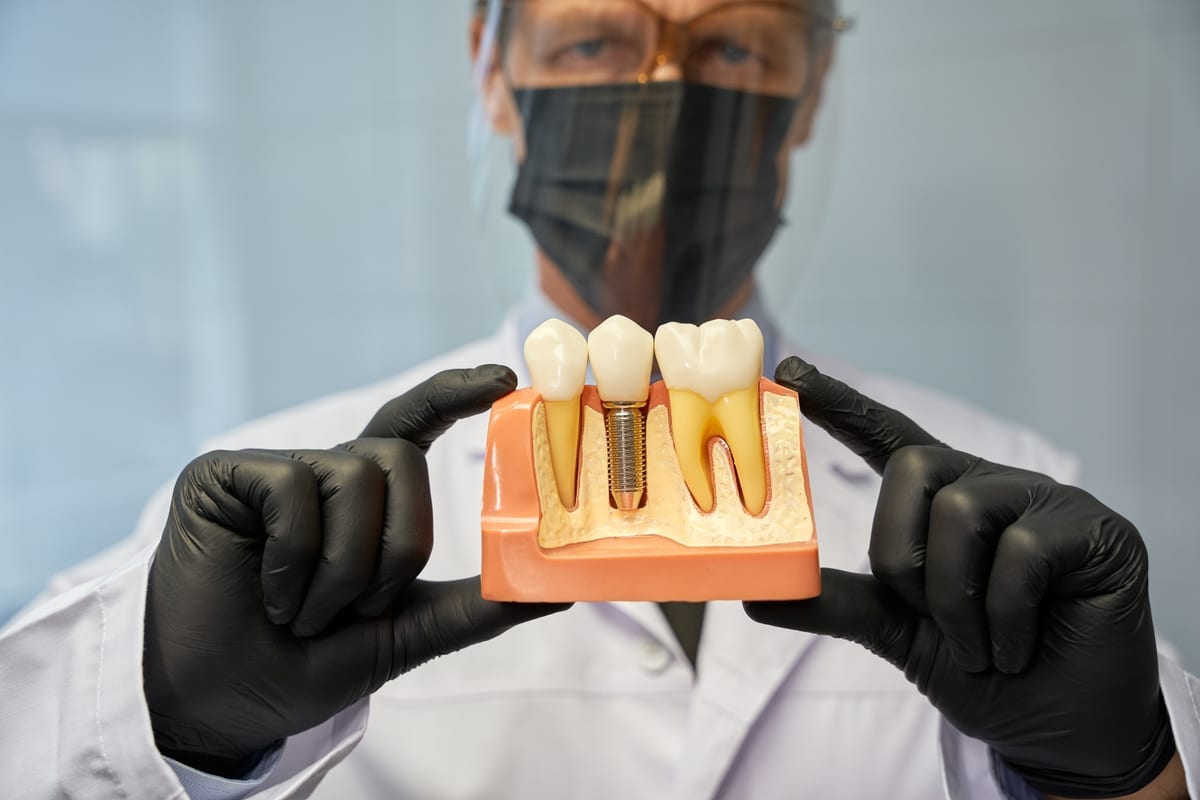
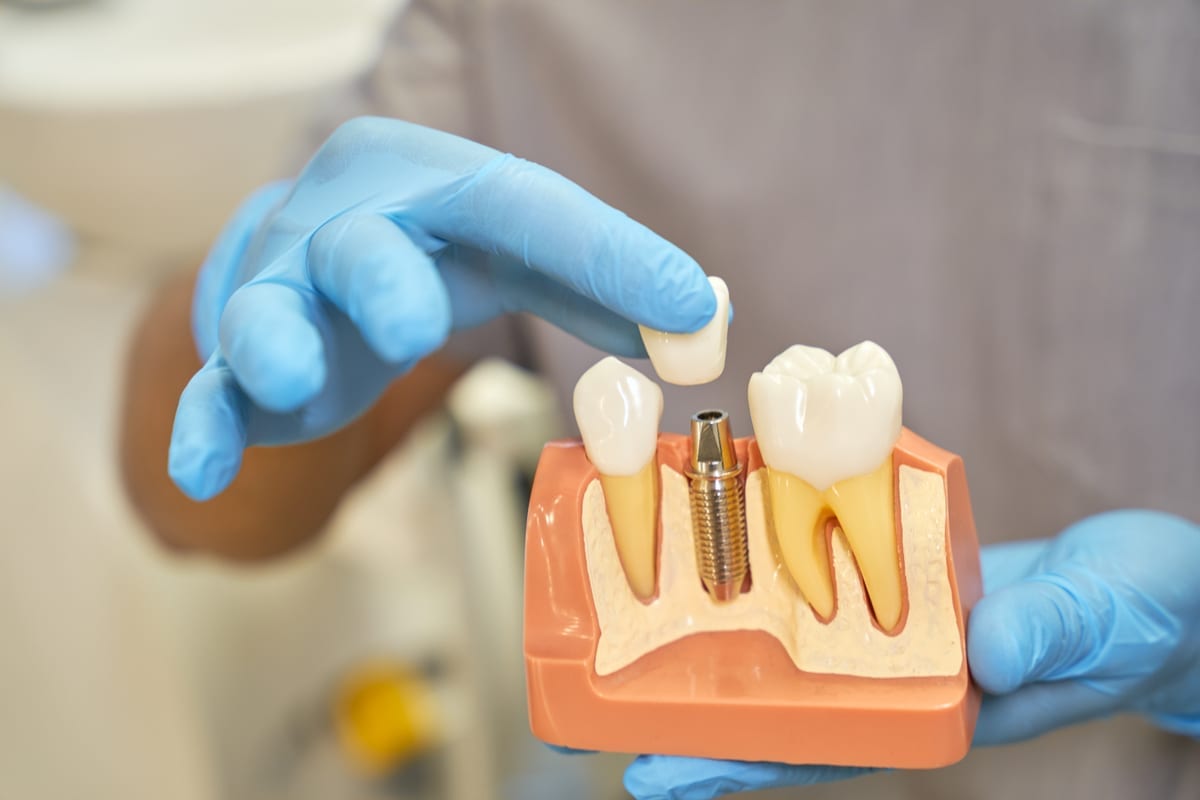
Bone loss creates a separate challenge. A dental implant requires healthy, dense bone to fuse with the titanium post. When bone volume drops too low, a bone graft becomes necessary first. Grafting is effective, but it adds healing time before your implant can even be placed.
Austin patients who act within the first few months after tooth loss often avoid both of these complications. Those who wait a year or more frequently need additional procedures. The implant itself is the same — but the path to getting there becomes longer.
You can explore real patient outcomes in our Smile Gallery Austin to see what is possible at different stages of treatment.
How Difficulty Chewing Affects Your Overall Health
Many people underestimate how much a missing tooth impacts daily nutrition. When chewing becomes painful or awkward, you naturally avoid hard foods. That often means cutting out raw vegetables, nuts, lean meats, and whole grains.
Over time, this dietary shift affects your overall health. Nutrient deficiencies, digestive problems, and unintended weight changes are all linked to impaired chewing ability. These are real health consequences — not just dental ones.
Here is what patients commonly report when chewing becomes difficult:
- Avoiding crunchy or hard foods they previously enjoyed
- Favoring soft, processed foods that are easier to manage
- Chewing exclusively on one side, straining jaw muscles
- Experiencing headaches or neck tension from uneven bite pressure
- Feeling self-conscious eating in social situations
Dental implants restore full chewing function. They behave like natural teeth, so you can return to a complete, balanced diet. This is one of the most life-changing benefits patients report after completing treatment with Dr. Samani.
What to Expect When You Visit Anchor Dental Implant Center
Starting the process is simpler than most Austin patients expect. Your first visit with Dr. Samani focuses entirely on assessment and education. There is no pressure — just a clear picture of where your jaw health stands today.
Dr. Samani will take digital X-rays and evaluate your bone density, gum health, and bite alignment. He will explain exactly what he finds in straightforward language. You will leave knowing your options and what each path involves.
If bone grafting is needed, Dr. Samani will walk you through that process as well. Every step is explained before it happens. Patients consistently describe the experience as calm, thorough, and reassuring.
Have questions before you book? Visit our FAQs Austin page for answers to the most common concerns about dental implants and the treatment process.
Taking Action Now Protects Your Future Smile
Every month you wait, your jaw changes a little more. Bone continues to shrink. Neighboring teeth continue to drift. The complexity of your future treatment quietly increases. Knowing this, the smartest move is a simple consultation.
Austin patients who come in early have the most options available to them. They often complete treatment faster, with fewer additional procedures. They also tend to have better long-term outcomes because their surrounding bone and teeth are still in good condition.
Dr. Hooman Samani and the team at Anchor Dental Implant Center are here to guide you — not pressure you. This is your health, and you deserve honest, expert information to make the right decision. Book Now to schedule your appointment with our team.
Frequently Asked Questions
How soon after tooth loss does bone loss begin?
Bone loss can begin within weeks of losing a tooth. The stimulation that your tooth root provided to the jawbone stops immediately. Studies show that up to 25% of bone width can be lost in the first year alone. Acting quickly after tooth loss gives you the best chance of a straightforward implant procedure.
Can I still get a dental implant if I have had a missing tooth for several years?
Many patients can still receive implants even after years of waiting. However, bone loss may require a bone grafting procedure before the implant can be placed. Dr. Samani will evaluate your bone density and overall jaw health to determine what is needed. Every case is unique, and a thorough consultation gives you the clearest picture.
What is the difference between a dental implant and a dental bridge?
A dental implant replaces the tooth root and crown independently. It does not rely on neighboring teeth for support. A bridge, by contrast, is anchored to adjacent teeth, which must be filed down. Implants preserve bone, protect neighboring teeth, and function more like natural teeth over the long term.
Is the dental implant procedure painful?
Most patients report that the implant procedure is more comfortable than they expected. Local anesthesia is used throughout, so you should not feel pain during the placement. Mild soreness in the days following surgery is normal and manageable. Dr. Samani will provide clear aftercare instructions to keep your recovery comfortable.
How do I know if I need a bone graft before getting an implant?
The only way to know is through a clinical evaluation and X-rays. Dr. Samani assesses bone volume and density at your consultation. If bone grafting is needed, he will explain the process, the timeline, and what to expect before moving forward with your implant. Many patients are surprised to find they still have adequate bone even after waiting.