

By Anchor Dental Implant Center | August 17, 2026
Most patients in Austin ask one critical question before committing to treatment: how long will my dental implants actually last? The good news is that dental implants last 20+ years for most patients when properly placed and maintained. But longevity isn’t guaranteed — it depends on specific, controllable factors. At Anchor Dental Implant Center, Dr. Hooman Samani helps Austin patients understand exactly what determines their implant lifespan before treatment even begins.
Why Dental Implants Last 20+ Years in Austin When Done Right
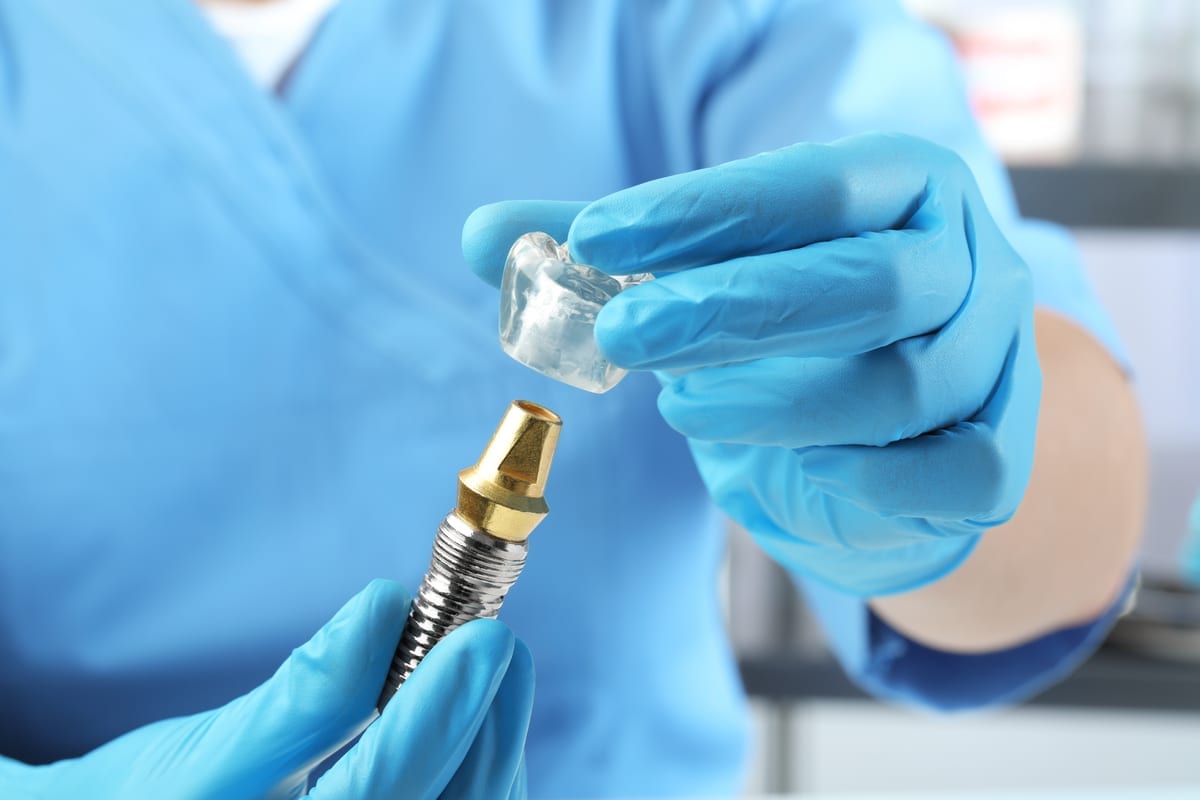
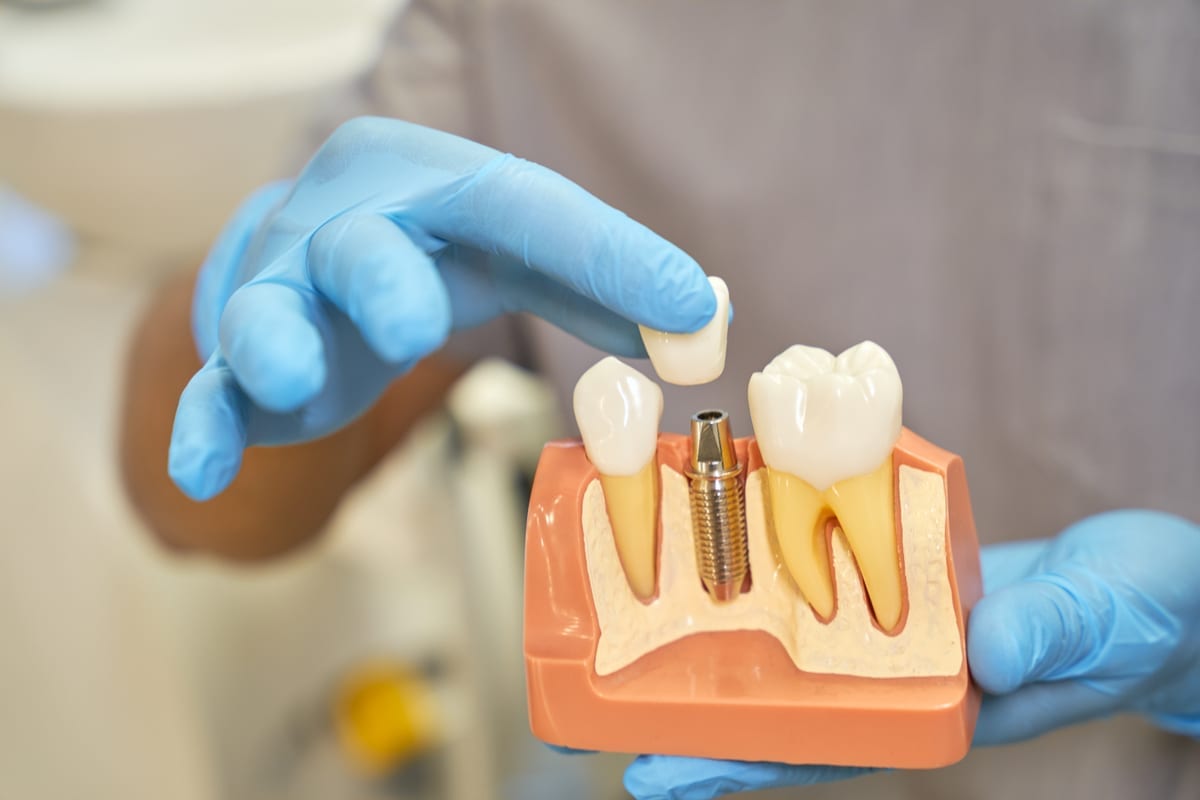
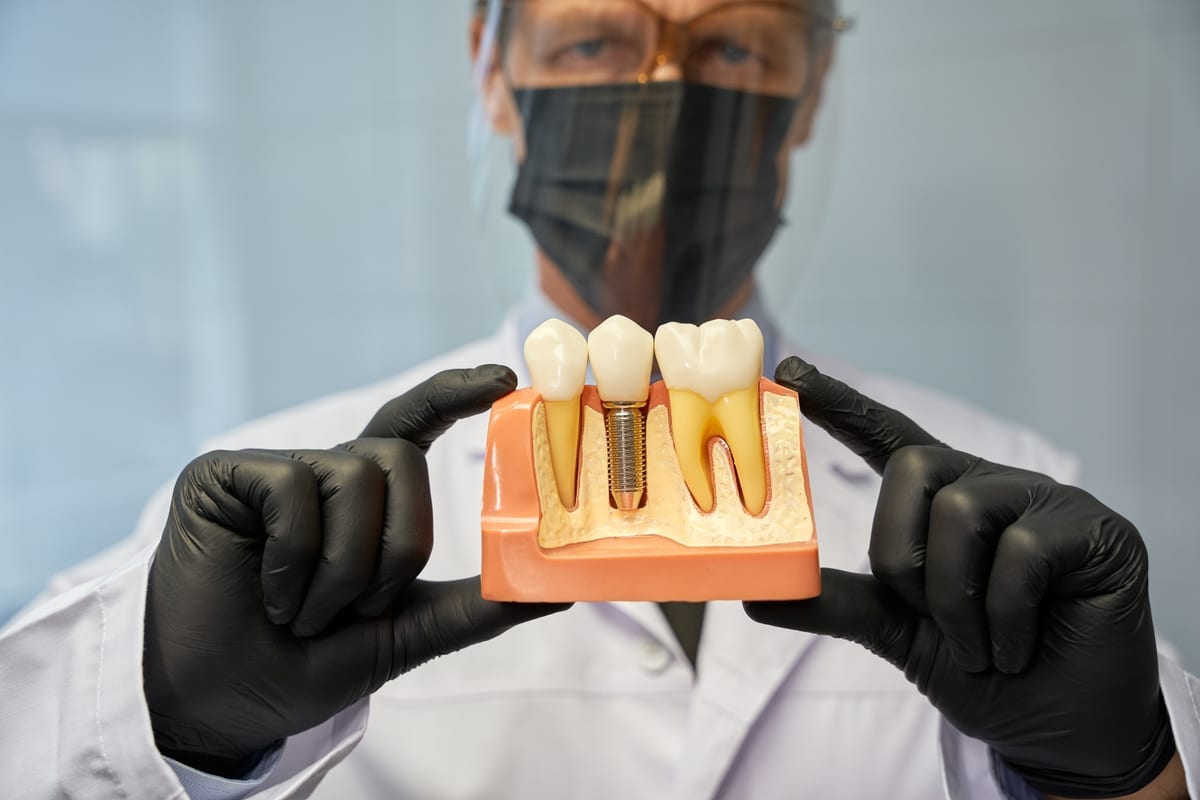
Dental implants are designed for permanence. The titanium post fuses directly with your jawbone in a process called osseointegration. This creates a stable, bone-level foundation that no other tooth replacement can match. When integration succeeds, implants can easily last a lifetime.
Studies consistently show that implant survival rates exceed 95% at the 10-year mark. Many patients carry functioning implants for 25 to 30 years. Unlike dentures or bridges, implants don’t rely on neighboring teeth or adhesives. Their durability comes from biology, not mechanics.
Dr. Samani uses advanced implant systems proven in long-term clinical research. Every placement at Anchor Dental Implant Center follows a precise protocol. That protocol is specifically designed to maximize osseointegration and long-term stability.
Key Factors That Determine How Long Your Implants Last
Not every implant patient enjoys the same outcome. Several variables directly influence how many years your implants perform at their best. Understanding these factors helps you make informed decisions before and after treatment.
Here are the most important factors Dr. Samani evaluates:
- Bone density and volume: Adequate jawbone supports the implant post firmly. Bone loss may require a graft before placement.
- Gum health: Active gum disease dramatically increases implant failure risk. Healthy gums are non-negotiable.
- Smoking: Tobacco use impairs healing and reduces blood flow to the implant site. Smokers face significantly higher failure rates.
- Diabetes and systemic health: Uncontrolled diabetes slows healing and increases infection risk. Well-managed health conditions are manageable.
- Implant placement precision: Improper angulation or depth creates long-term stress on the implant. Expert surgical technique matters enormously.
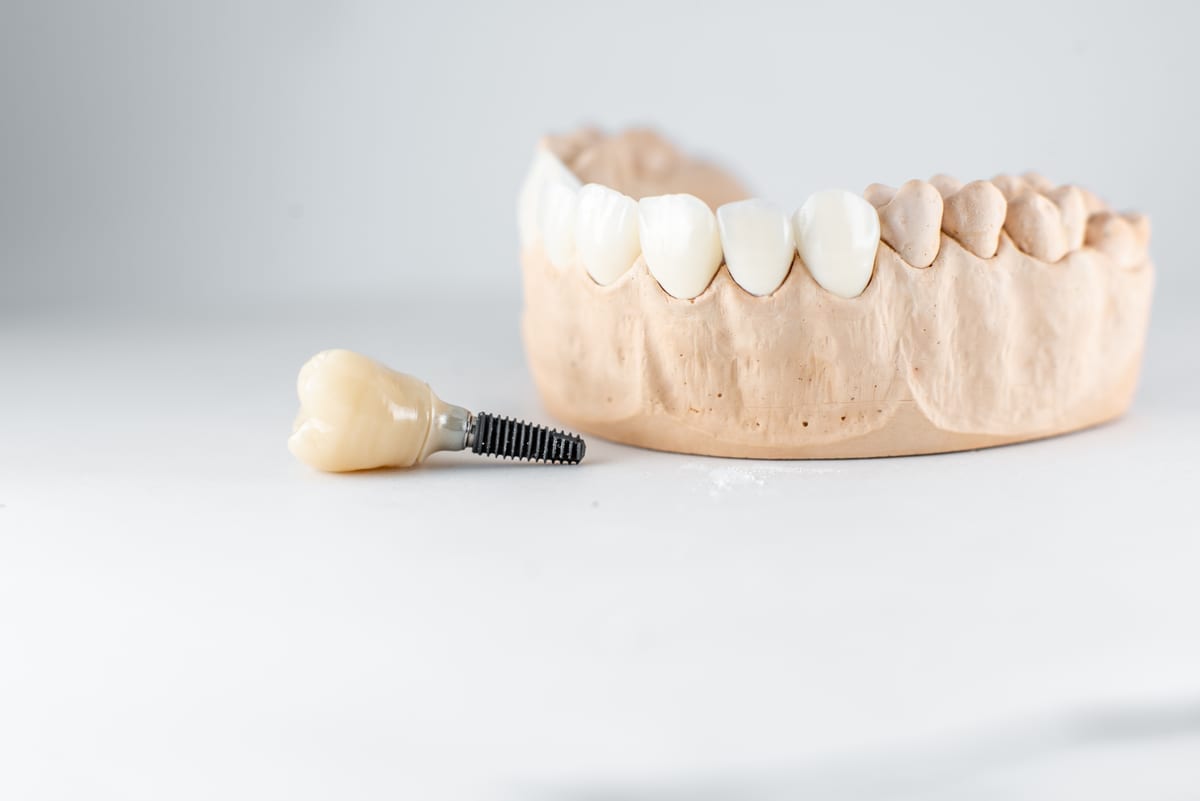
- Crown and restoration quality: The visible crown takes daily bite pressure. A well-fitted, durable crown protects the implant below.
Some of these factors are within your control. Others require evaluation and planning with your implant specialist. Dr. Samani reviews every patient’s full health picture before recommending treatment.
Habits That Shorten Implant Lifespan — And What to Do Instead
Even perfectly placed implants can fail prematurely with the wrong habits. Patients in Austin who want their implants to last must stay informed about daily behaviors that create risk.
The following habits significantly shorten implant lifespan:
- Skipping daily brushing and flossing around the implant site
- Using tobacco products after implant placement
- Grinding or clenching teeth without a night guard
- Chewing on ice, hard candy, or other extremely hard foods
- Missing regular dental checkups and professional cleanings
- Ignoring early signs of gum inflammation around the implant
Peri-implantitis is the leading cause of late implant failure. It’s an infection of the tissue and bone surrounding the implant. It develops slowly, often without pain, making regular checkups essential. Catching it early means the difference between saving and losing your implant.
Dr. Samani monitors every patient’s implant health at each visit. Early intervention consistently produces better outcomes than waiting until problems become severe.
How to Make Your Austin Dental Implants Last a Lifetime
The path to lifelong implant success is straightforward. It combines expert placement with consistent patient care at home and in the dental office. Austin patients who follow this approach consistently achieve the best long-term results.
Start with a thorough evaluation. Dr. Samani uses 3D imaging to assess your bone structure, nerve positions, and gum health. This planning step eliminates preventable complications before they occur.
After placement, your daily routine matters more than most patients expect. Brush twice daily with a soft-bristle toothbrush. Floss carefully around the implant crown every day. Use a non-abrasive toothpaste to avoid scratching the crown surface.
If you grind your teeth at night, ask Dr. Samani about a custom night guard. Grinding applies damaging forces that no implant is designed to withstand indefinitely. A simple guard can add many years to your implant’s functional life.
Schedule professional cleanings every six months. Your hygienist uses specialized tools that clean around implants without damaging them. These visits also allow Dr. Samani to catch any early warning signs immediately.
For patients who feel anxious about dental visits, Anchor Dental Implant Center offers Sedation Options Austin to make every appointment comfortable and stress-free. Avoiding the dentist due to anxiety is one of the most preventable reasons implants fail.
What Makes Anchor Dental Implant Center Different for Austin Patients
Choosing the right implant provider directly affects how long your implants last. Dr. Hooman Samani brings advanced training and focused expertise to every case at Anchor Dental Implant Center. Austin patients receive individualized treatment plans — not one-size-fits-all protocols.
The practice invests in precision technology at every stage. From initial 3D cone beam imaging to final restoration placement, every step is guided by data and clinical skill. This attention to detail produces results that hold up for decades.
Austin patients consistently share positive outcomes in our Reviews Austin section. Real patient experiences reflect what thoughtful, expert care actually produces over time. Reading those stories can help you set realistic expectations for your own journey.
Dr. Samani also takes time to educate every patient at each visit. You’ll always understand what’s happening with your implants, what to watch for, and when to call. That ongoing relationship is what turns a good placement into a lifetime result.
Conclusion: Your Implants Can Last a Lifetime With the Right Support
Dental implants are the most durable tooth replacement option available today. With expert placement and consistent care, they genuinely can last 20, 30, or even 40 or more years. The determining factors are well understood — and most of them are within your control. Dr. Samani and the team at Anchor Dental Implant Center are here to guide every Austin patient toward the best possible long-term outcome. Book Now to schedule your appointment with our team.
Frequently Asked Questions
How long do dental implants typically last?
Most dental implants last 20 to 30 years or longer with proper care. The titanium post that fuses with your jawbone can last a lifetime. The crown attached on top may need replacement after 10 to 15 years due to normal wear. Regular checkups help Dr. Samani monitor both components over time.
What is the most common reason dental implants fail?
Peri-implantitis — an infection of the gum and bone around the implant — is the leading cause of late implant failure. It develops when bacterial plaque accumulates around the implant without proper cleaning. Smoking, poor oral hygiene, and skipping dental visits all increase this risk significantly. Early detection during routine checkups is the most effective prevention strategy.
Can I get dental implants if I have bone loss in my jaw?
Yes, in many cases. Dr. Samani evaluates bone volume and density using 3D imaging before recommending treatment. If bone loss is present, a bone grafting procedure can rebuild the necessary foundation. Many Austin patients with some bone loss still qualify for successful implant placement after grafting.
Does smoking really affect implant longevity that much?
Yes — tobacco use is one of the strongest predictors of implant failure. Smoking reduces blood flow to the implant site and impairs the body’s ability to heal. Studies show smokers experience implant failure at rates two to three times higher than non-smokers. Quitting before and after implant surgery dramatically improves long-term outcomes.
How often should I see Dr. Samani after getting dental implants?
Most patients should schedule professional cleanings and implant checkups every six months. Patients with higher risk factors — such as a history of gum disease or diabetes — may benefit from more frequent visits. These appointments allow Dr. Samani to catch early warning signs before they become serious problems. Consistent follow-up care is one of the simplest and most effective ways to protect your investment.