

By Anchor Dental Implant Center | March 6, 2026
Losing a tooth can change more than your smile. It can affect how you eat, speak, and feel about yourself. Many people in Austin delay treatment simply because they’re unsure whether they qualify for a dental implant.
The good news? A single dental implant is one of the most predictable and long-lasting ways to replace a missing tooth. If you’ve been wondering whether you’re a good candidate, this guide will help you understand the signs dentists look for and what your next step might be.
Austin residents—from busy professionals downtown to families in Round Rock and Cedar Park—often choose implants because they look natural and function like real teeth. But before moving forward, your dentist needs to evaluate a few important factors.
Let’s break it down in simple terms.
What Is a Single Dental Implant?
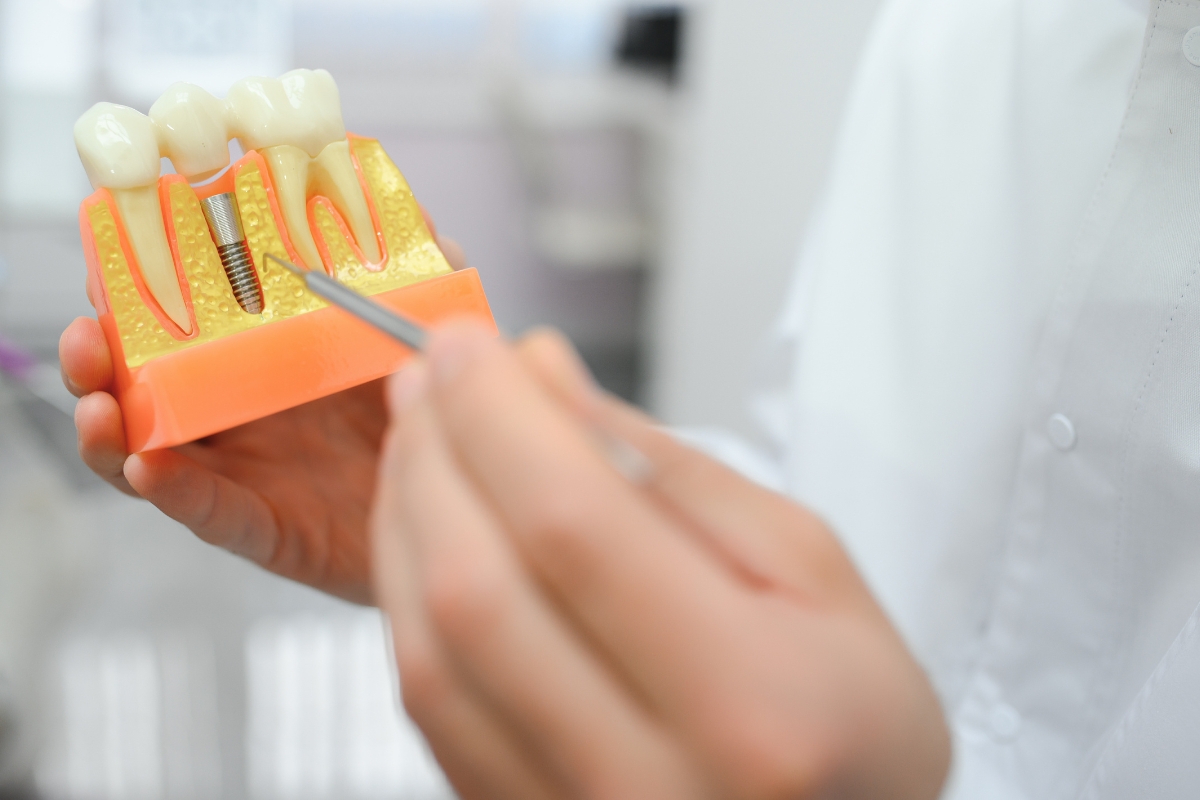
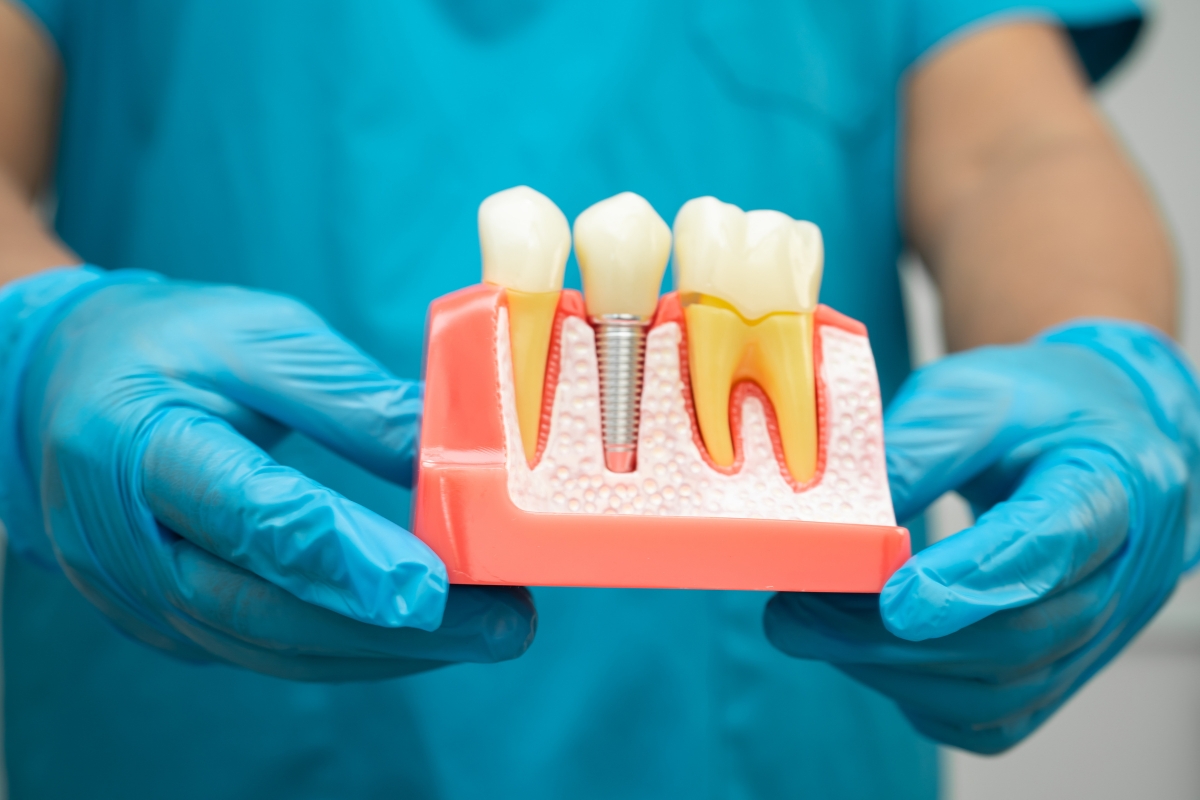
A dental implant is a small titanium post placed into your jawbone where a tooth used to be. Once it heals, a custom crown is attached on top, creating a tooth replacement that looks and feels natural.
Many patients exploring Single Dental Implants Austin want a solution that doesn’t rely on neighboring teeth like traditional bridges do.
Here’s why implants are popular:
- They look and feel like natural teeth
- They help maintain jawbone strength
- They don’t require altering nearby healthy teeth
- They can last decades with proper care
For someone missing just one tooth, this treatment often provides the most complete restoration.
Signs You May Be a Good Candidate
Not everyone knows right away whether implants are right for them. Dentists usually evaluate a few key factors during a consultation.
1. You Are Missing One Tooth
The most obvious requirement is having a single missing tooth or a tooth that needs extraction.
Common causes include:
- Sports injuries
- Accidents or trauma
- Severe tooth decay
- Failed root canals
- Advanced gum disease
A single implant fills the space while keeping nearby teeth stable.
2. Your Jawbone Is Healthy
Dental implants rely on strong bone support.
If your jawbone is dense enough, it can hold the implant securely while it heals.
Signs your bone may be suitable include:
- No major bone loss in the area
- Healthy surrounding teeth
- No untreated gum disease
Even if some bone loss has occurred, many Austin patients still qualify after procedures like bone grafting.
3. Your Gums Are in Good Condition
Healthy gums help protect the implant and ensure long-term success.
Dentists will check for:
- Active gum disease
- Gum recession
- Infection in the area
If needed, gum treatment may be recommended before implant placement.
4. You Want a Long-Term Solution
Dental implants are not a temporary fix.
They’re designed to last for many years and often decades with proper oral care.
You may be a strong candidate if you want:
- A permanent replacement
- A natural-looking smile
- A solution that restores full chewing ability
Many Austin patients choose implants specifically because they want to avoid repeated dental work.
5. You Are in Good General Health
Your body needs to heal properly after implant surgery.
Most healthy adults qualify, but your dentist may review conditions such as:
- Diabetes
- Smoking habits
- Autoimmune disorders
- Medications affecting bone healing
These don’t always prevent treatment, but they may influence the planning process.
What Happens During the Implant Process?
Many people hesitate because they’re unsure what the process involves. Understanding the steps can make it feel much easier.
Step 1: Consultation and Digital Imaging
Your dentist will examine your mouth and take 3D scans or X-rays to evaluate bone structure.
This helps determine whether Single Dental Implants Austin are the right treatment for your situation.
Step 2: Implant Placement
The titanium implant is gently placed into the jawbone.
The procedure is typically performed with local anesthesia, and most patients report minimal discomfort.
Step 3: Healing Period
Over the next few months, the implant bonds with the bone through a natural process called osseointegration.
This creates a strong and stable foundation for the new tooth.
Step 4: Custom Crown Placement
Once healing is complete, a custom-made crown is attached to the implant.
The result is a tooth that blends naturally with your smile.
Why Austin Residents Are Choosing Implants
Austin is known for its active lifestyle. Whether you’re enjoying live music on Sixth Street, kayaking on Lady Bird Lake, or grabbing tacos at a food truck, confidence in your smile matters.
Dental implants help patients:
- Eat comfortably at Austin’s famous barbecue spots
- Smile confidently in social settings
- Maintain facial structure and jaw health
- Avoid removable dentures or temporary fixes
For many locals, implants are an investment in both health and confidence.
Benefits Compared to Other Tooth Replacement Options
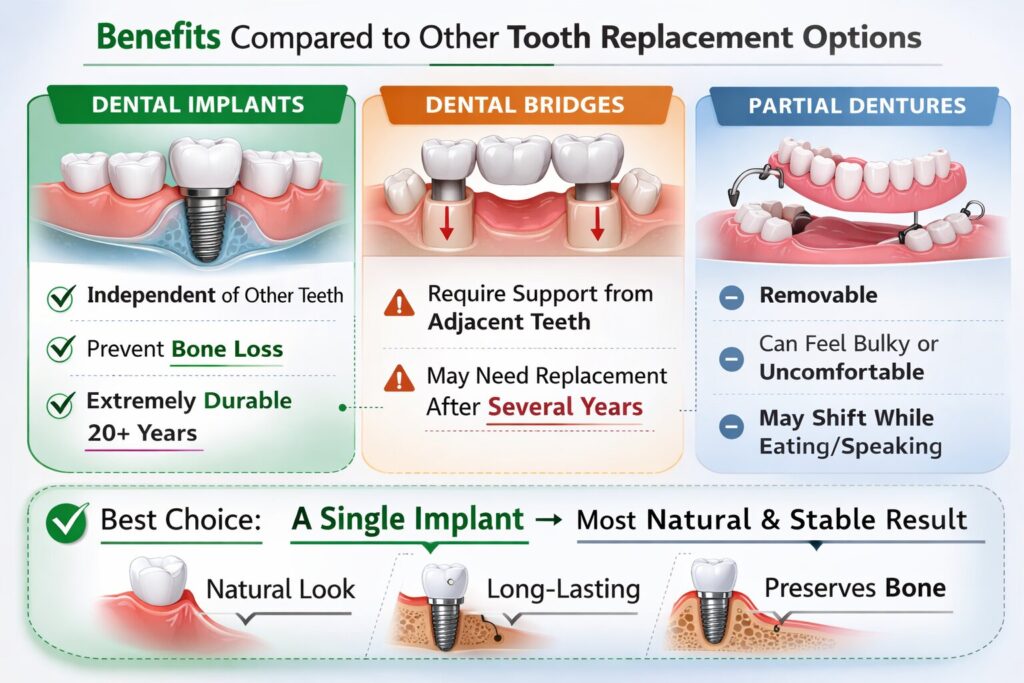
When patients compare implants to bridges or dentures, the advantages often become clear.
Dental Implants
- Independent of other teeth
- Prevent bone loss
- Extremely durable
Dental Bridges
- Require support from adjacent teeth
- May need replacement after several years
Partial Dentures
- Removable
- Can feel bulky or uncomfortable
A single implant often provides the most natural and stable result.
Questions Patients Often Ask
Is the implant procedure painful?
Most patients say the procedure is easier than expected. Local anesthesia keeps the area comfortable, and mild soreness afterward is usually manageable with over-the-counter medication.
How long does the entire treatment take?
The full process typically takes a few months because the implant needs time to fuse with the bone before the crown is placed.
Am I too old for a dental implant?
Age is rarely a limiting factor. As long as your gums and jawbone are healthy, many adults in their 60s, 70s, and beyond successfully receive implants.
What if I’ve been missing the tooth for years?
Even if the tooth has been missing for a long time, treatment may still be possible. Your dentist may recommend a bone graft if bone loss has occurred.
How do I care for an implant?
Caring for an implant is simple:
Brush twice daily
Floss regularly
Maintain routine dental checkups
Just treat it like a natural tooth.
When to Schedule an Implant Consultation
You should consider booking a consultation if you:
- Recently lost a tooth
- Have a damaged tooth that may need extraction
- Want a permanent replacement option
- Are tired of dealing with temporary solutions
Early evaluation can also help preserve bone and improve treatment outcomes.
Take the Next Step Toward Restoring Your Smile
Living with a missing tooth doesn’t have to be permanent. A personalized dental consultation can determine whether an implant is the right option for you.
At Anchor Dental Implant Center, patients receive customized treatment plans designed to restore both function and confidence. If you’re considering Single Dental Implants Austin, a professional evaluation can help you understand your options and move forward with clarity.
Book your appointment today and take the first step toward a healthier, more confident smile.